
The Hidden Cost of Buying Traffic
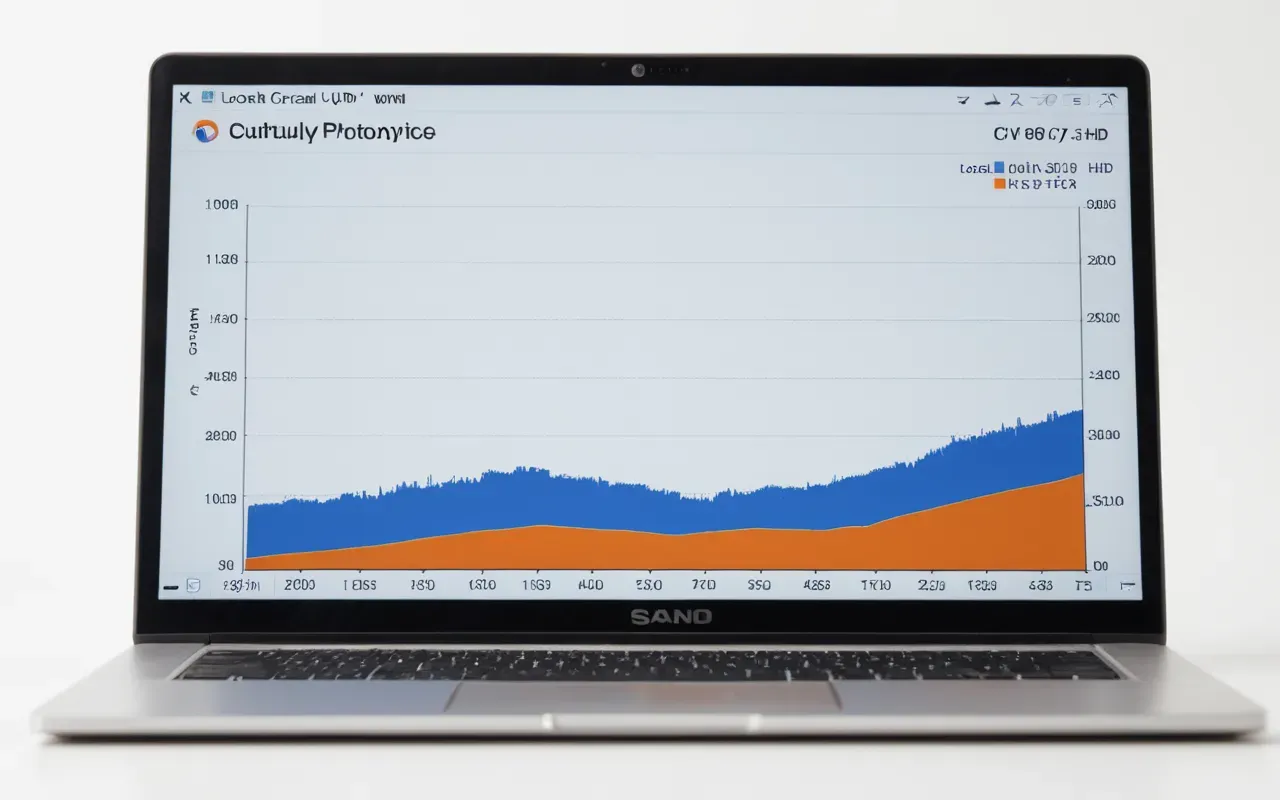
You check your dashboard. The numbers look good. Conversions are up. But the organic line is flat. It has been for three months.
I've seen this pattern more times than I can count. Business owners pour thousands into Google Ads every month. They celebrate the immediate clicks.
Then they wonder why their website feels invisible in unpaid results. The truth is uncomfortable. Your ad spend might be the exact reason your organic traffic stalled.
The Dependency Trap Nobody Talks About
Here's the thing about paid search. It works instantly. You pay money and you get attention.
But that instant result creates a dangerous habit. Your team stops asking hard questions about content quality and user intent.
Instead of building genuine authority through helpful guides or technical fixes, you just raise the bid. It's a quick fix for a slow disease.
When you rely on ads to drive every sale, your website stops evolving. The pages that rank organically get stale.
Search engines notice this stagnation. They see a site that isn't earning trust through natural engagement. They demote you accordingly.
Why Organic Rankings Are Dropping Despite Ad Spend
And it's not just about algorithms. It's about human behavior and how users interact with search results.
If your top result is an ad, you're training users to click the paid slot. They ignore the organic listings below it.
This reduces your organic click-through rate. Lower engagement signals tell search engines your content is less relevant.
The Real Difference Between Paid and Organic Growth
Paid search is a rental. You pay for visibility today and it disappears tomorrow if you stop paying.
Organic search is an asset. You build it over time and it compounds in value as your authority grows.
The problem arises when you treat them as substitutes instead of complements. You need both to succeed in a crowded market.
But one must support the other. If your paid ads don't reinforce your organic message, you're wasting money.
How to Stop Killing Your Organic Potential
Start by auditing your top landing pages. Are they answering user questions better than anyone else?
If the answer is no, stop bidding on those keywords. You're paying to expose a weak spot.
Instead, invest that budget in improving the content. Make it better than your competitors. Earn the click naturally.
A Smart Hybrid Strategy for Small Businesses
You don't have to choose one or the other. The winning move is a balanced approach that prioritizes long-term value.
Use paid ads to test new messages and find winning angles. Once you have data, build organic content around those winners.
This way your paid spend actually fuels your organic growth. You're not just buying clicks; you're building authority.
For small businesses with limited budgets, this efficiency is crucial. Every dollar must work twice.

Why Your Competitors Are Winning With SEO Not Ads
Look at the top of your industry. The brands with lasting dominance rarely rely solely on paid ads.
They've invested years in building content libraries that answer every possible question their customers might ask.
This depth creates a moat. It's hard for new entrants to replicate that level of trust and expertise quickly.
You can still compete. But you need to shift your focus from buying attention to earning it.
The Long Game That Actually Pays Off
SEO is not a sprint. It's a marathon with daily sprints built into the training schedule.
The businesses that win are those who understand this distinction. They don't panic when ads get expensive.
They double down on quality. They fix technical issues. They write content that people actually want to read.
And slowly but surely their organic traffic starts climbing. It becomes the engine that drives sustainable growth.
Final Thoughts on Building a Resistant Digital Presence
Don't let your paid ads become a crutch. They're useful tools but they should never replace the foundation.
If you want to understand how your current strategy might be backfiring, check out this deep dive on PPC budget risks.
Also consider how focusing only on rankings can blind you to real user value.
The goal isn't just visibility. It's relevance. When you get that right the traffic follows naturally.


Comments ()