
The Volume Trap Is Killing Your SEO Strategy Right Now
Three weeks. That's how long I spent building a landing page for "best running shoes" last year. The tool promised , monthly searches. I wrote , words. It ranked on page four.
So I swapped the title to "running shoes for flat feet over ". Search volume dropped to . And the conversion rate? It jumped from % to %. That is when it clicked.
Most small businesses waste budget chasing big numbers. They ignore the people who actually buy. The gap between search volume and purchase intent is where your money disappears.
Why High Volume Keywords Are a Vanity Metric for Small Brands
Look at the SERPs for "running shoes". You see Nike, ASICS, Amazon. They have brand authority that a local shop cannot touch in six months.
But "running shoes for flat feet"? A local blog with real reviews can rank. The intent is specific. The competition is thin.
Your goal is not to be the biggest fish. It is to own a pond where you are the only one swimming.
Move Beyond Basic Keyword Lists to Semantic Clusters
Google does not look at words in isolation. It looks for context. If you target "plumber" but never mention "pipe repair" or "drain cleaning", your page seems thin.
I call this semantic density. It is not about stuffing keywords. It is about answering the questions a reader would ask next.
Building Content Clusters That Answer Every Follow-Up Question
Take one core topic. Break it into five sub-topics. Link them all back to the main page.
For a plumbing business, that means a hub on "emergency repairs" with spokes for "burst pipes", "leaky faucets", and "water heater failure". The reader gets more value.
This structure signals topical authority to search engines. It keeps users on your site longer. Both matter.

Your Keyword Tool Is Hiding the Real Search Intent
Most tools show you volume and difficulty. They rarely tell you why someone is searching.
If a user searches for "how to fix a leaky faucet", they want instructions. If they search for "plumber near me", they are ready to pay.
Matching the page type to the search goal is non-negotiable. A blog post will never convert as well as a service page for local searches.
Identifying Transactional Queries Before You Write a Single Word
Scan the top ten results for your target keyword. Are they blogs or product pages? If it is a mix, you have to pick one lane and commit.
I always start with the commercial ones. They have lower volume but higher revenue potential for small businesses.
You can always chase the informational traffic later. But you cannot fix a mismatch between page type and user goal after launch.
Local Intent Is the Most Underrated SEO Opportunity in America
National brands ignore local searches. They are too big to care about "best pizza in Austin".
For a small business, this is gold. The competition is local. The intent is immediate.
Mapping Neighborhood Specific Keywords That Big Brands Ignore
Do not just target "plumber in Texas". Target "emergency plumber in Dallas suburbs".
I found a client ranking for "landscaping in California" but not "landscaping near Palo Alto". One day of work fixed that gap.
These searches have low volume. But the people searching are ready to hire you today.
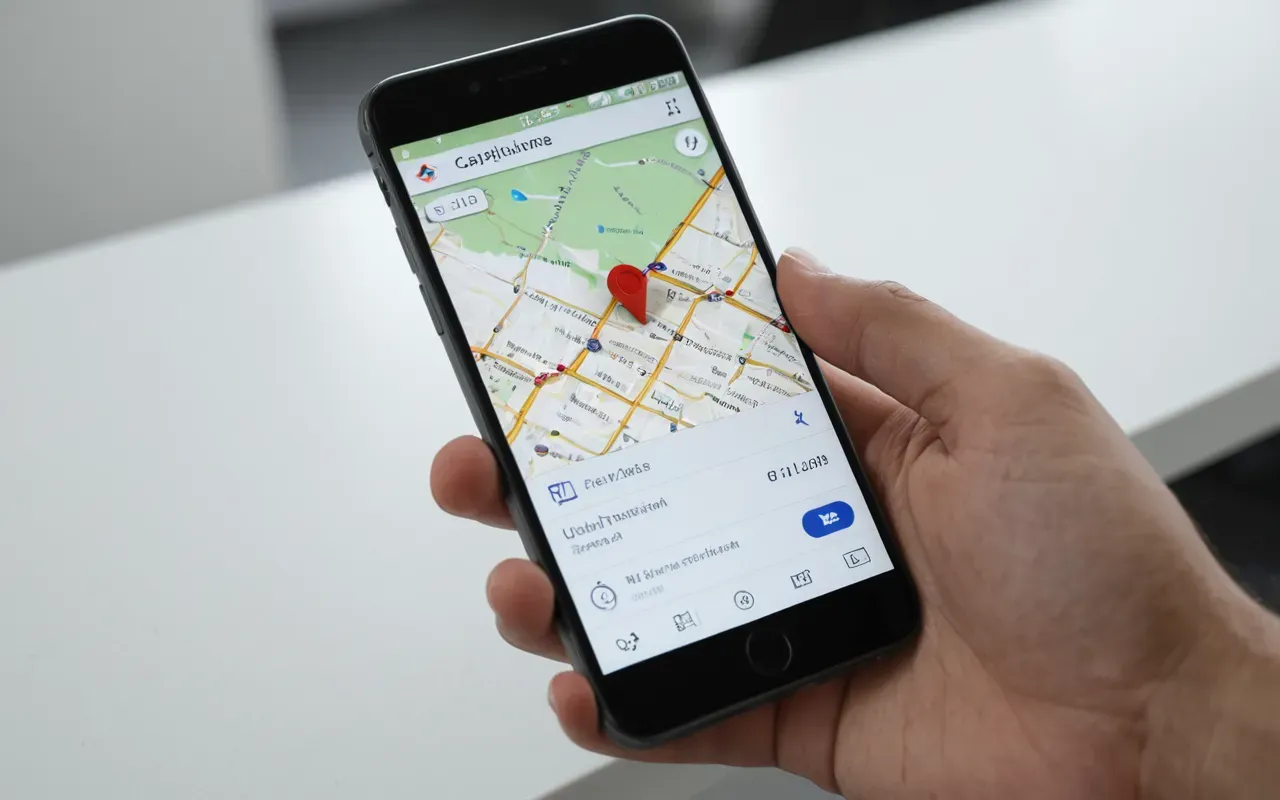
The Long Tail Strategy That Outperforms Paid Ads on Budget
Paid ads are expensive. You pay for every click even if the user does not buy.
Organic traffic is free. If you rank for "best budget laptops under ", the user finds you without costing a cent.
Why Specific Queries Convert Better for Small Business Owners
A user searching "cheap laptop" is browsing. A user searching "best office laptop for accounting software under dollars" is buying.
The longer the phrase, the clearer the need. The higher the conversion rate usually is.
I track my clients' top ten converting phrases. They are almost always long tail.
Using Search Console Data to Refine Your Keyword Targets
Your website is a goldmine. Google Search Console shows you what people actually search for on your site.
Look for queries with high impressions and low clicks. Those are your opportunities.
Finding Low Hanging Fruit in Your Existing Search Data
If a page ranks on page two for ten keywords, you can likely push it to the top three with minor tweaks.
Improve the title tag. Add a relevant image. Fix one broken link. Small changes add up.
I call this the polish method. It is faster than creating new content from scratch.

Avoiding Keyword Cannibalization in Your Content Strategy
Two pages targeting the same keyword fight each other. Google does not know which one to rank.
I have seen a client lose half their traffic because they published two blog posts on "how to clean carpets". Both ranked poorly.
Consolidating Duplicate Pages to Strengthen Your Authority Signal
Merge the content. Keep one strong page. Redirect the other to it.
This concentrates link equity and user signals. One page becomes stronger instead of two pages being weak.
It is a simple fix that often works faster than any new content effort.
Aligning Keywords with User Journey Stages for Maximum Impact
Not all searches are at the same stage. Some are aware. Others are deciding.
Your content must match the stage or you lose the user at the wrong moment.
Mapping Awareness Content to Bottom Funnel Conversion Pages
Start with a blog post on "signs your roof needs repair". Link it to a page called "roof inspection services in Ohio".
The user learns something useful. Then they find a way to hire you when the need is real.
This journey feels natural. It does not feel like an ad. That is why it works.
Monitoring Competitor Keyword Gaps for Rapid Growth Wins
Your competitors know what works. They publish content that ranks well.
Find the keywords they rank for but you do not. Those are your gaps.
Turning Competitor Weaknesses Into Your Content Roadmap
If a rival ranks for "solar panel installation costs" but has no page dedicated to it, you can create one and steal that traffic.
Do not copy their text. Write a better answer. Add more detail. Use real examples.
Quality always beats quantity in the long run. Users notice the difference.

Building a Sustainable Keyword Research Routine for Long Term Growth
SEO is not a one-time project. It is a habit.
Set aside two hours every month to review your data. Add new keywords. Update old pages.
Creating a Repeatable Process That Adapts to Market Changes
Start with your customer service logs. What do people ask? Those are keywords in disguise.
I have found gems in support tickets that no tool would ever suggest.
Your best keywords are often hidden in the conversations you already have with customers.
Frequently Asked Questions About Keyword Research Strategies
How long does it take to see results from keyword optimization?
Typical organic improvements appear within four to eight weeks of consistent on-page changes. Significant traffic growth usually takes three to six months as search engines gather data and trust signals build up.
What is the difference between long tail and short tail keywords?
Long tail phrases are three or more words with lower search volume but higher intent. Short tail keywords are one to two words with high volume and broad competitive pressure.
Can small businesses compete with large brands for top keywords?
Yes by targeting local or niche specific queries where big brands lack detailed content. Focus on high intent phrases with lower difficulty scores rather than generic industry terms.


Comments ()