
How to Build High-Quality Backlinks for Organic Growth
Last month I watched a bakery in Ohio lose its top spot to a national chain. The chain had ten times the budget and zero local roots. It won because it treated every city like a unique neighborhood.
Honestly, most small businesses in the US still approach search visibility with a national lens. They buy broad keywords and ignore the map pack entirely.
That's a costly mistake. Local intent drives immediate action. A user searching for 'plumber near me' wants someone who can arrive in forty-five minutes, not a corporate 800 number.
We see this pattern everywhere. Owners build beautiful websites but ignore their Google Business Profile.
The result is a digital ghost. You exist online but do not rank for the searches that actually pay your bills.
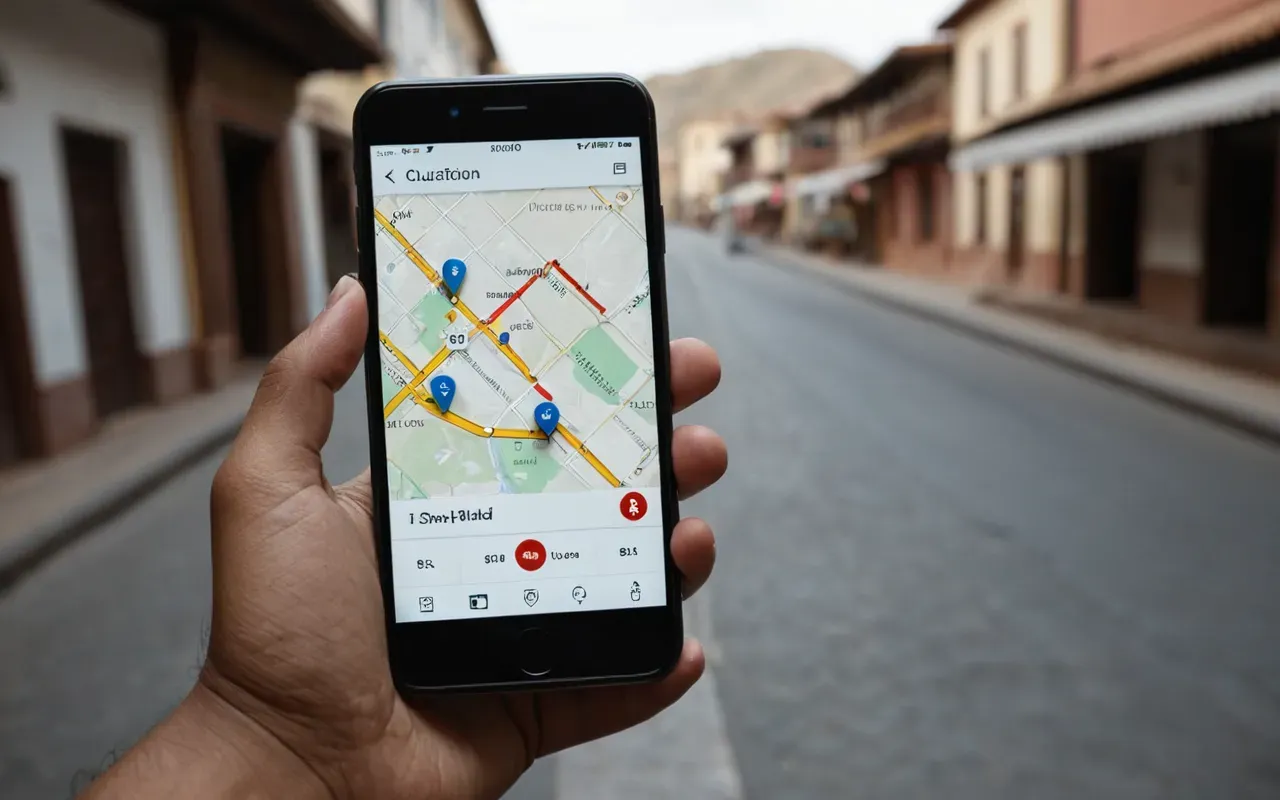
Why the map pack beats your homepage
Here's a fact that surprises most owners. The top three local results capture the majority of clicks for 'near me' queries.
Your homepage is a secondary destination. It serves users who already know your brand.
The map pack captures cold traffic. These are people who have never heard of you but need a service today.
If your business profile lacks recent photos and verified reviews, you are invisible to this high-intent group.
The proximity trap most owners miss
Proximity is only one ranking factor. Relevance and prominence matter just as much.
A competitor five miles away can outrank you if their profile has more consistent citations and fresher content.
This is why technical hygiene on your profile matters more than you think. One mismatched address can tank your visibility.
The seven tactics that actually move customers
I have tested dozens of approaches for small businesses. Only these seven consistently produce measurable results in the US market.
Nailing your Google Business Profile details
Start with the basics. Your category must be precise and specific.
Avoid broad categories like 'Services'. Use 'Emergency Electrician' or 'Vegan Bakery' instead.
This specificity helps search engines understand exactly who you serve and when they need you most.
Update your services list every quarter. Add new offerings and remove outdated ones.
Building local relevance with service areas
If you do not have a storefront, define your service area carefully.
Do not list every city in the state. Pick a tight radius around your physical location.
Search engines view excessive service areas as spammy. Keep it realistic and defensible.
Creating location-specific landing pages
Generic content will not win local rankings. You need dedicated pages for each city you serve.
Each page should mention local landmarks and neighborhood names naturally in the copy.
Include a unique phone number for each location if you have multiple offices. This builds trust with both users and algorithms.
If you are struggling to organize these pages without cannibalizing existing traffic, check out how your new keyword page might actually be killing your existing traffic before you publish.
Earning local backlinks that matter
National links are nice but local relevance is king. A link from a city newspaper beats fifty blog directories.
Sponsor local events or donate to community causes. These actions often result in genuine mentions and links.
For a deeper look at tactics that do not feel spammy to search engines, our guide on 5 Link Building Tactics That Actually Work for Small Businesses breaks down the exact outreach templates we use.
Managing online reviews with intent
Reviews are social proof and a ranking signal combined. Respond to every single one.
Positive reviews build trust. Negative ones give you a chance to show customer service in action.
Ask happy customers for feedback right after the job. Do not wait weeks.
Optimizing for voice and mobile search
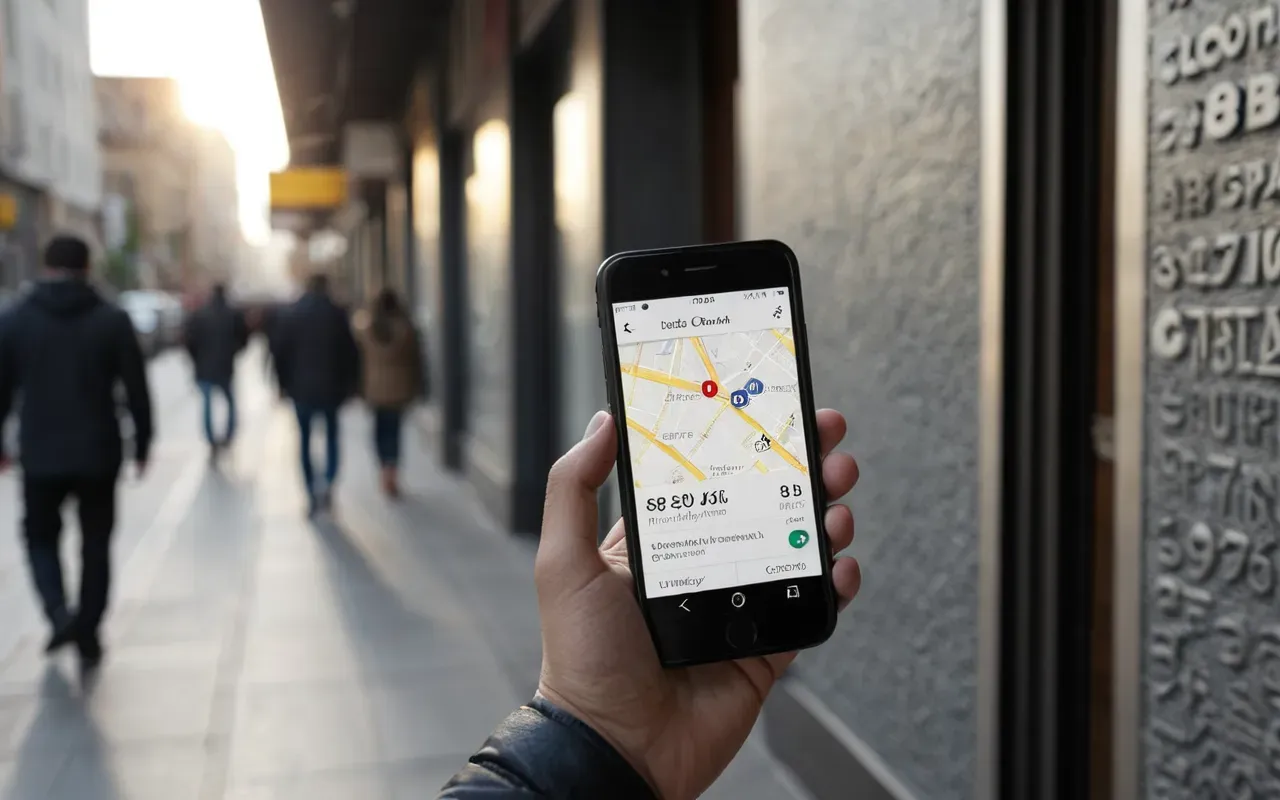
Most local searches happen on phones. Your site must load fast and be easy to navigate with one thumb.
Voice search queries are conversational. Write your copy to answer questions like 'Where can I get pizza near me?' directly.
Technical foundations for local visibility
You can have the best content in the city but if your site is slow or broken locally it will not rank.
Fixing indexation and site health issues
Run a crawl on your local pages. Ensure they are not blocked by robots.txt or meta tags.
If you find indexation errors or crawl budget issues holding your local pages back, our Technical SEO Checklist: Fixing Indexation and Site Health Issues walks through the exact fixes step by step.
Implementing local structured data
Add LocalBusiness schema to your site. This helps search engines understand your hours and location instantly.
Include aggregate ratings if you have them. This can earn a richer snippet in results.
Measuring what actually matters locally
Vanity metrics like impressions do not pay the bills. Track calls and directions requests.
Use call tracking numbers to attribute revenue directly to your local search efforts. This gives you a clear ROI.
Review these numbers monthly. Adjust your content and citation strategy based on what drives real customer action.

Frequently Asked Questions
How long does local SEO take to show results?
Most businesses see measurable improvements in map pack rankings within three months. Consistency is key for long-term stability.
What is the difference between local and national SEO?
Local SEO targets specific geographic areas with a focus on immediate intent. National SEO aims for broad brand awareness across regions.
Can I do local SEO without a physical store?
Yes. Service-area businesses can optimize their profiles by defining clear service radii and building local citations.
For the full overview, see complete SEO guide.


Comments ()