
On-Page SEO Best Practices for Higher Rankings in 2024
Most business owners think being on the map is enough. They are wrong. I have audited hundreds of local listings for small US firms and found a consistent pattern. The ones winning customers do something different with their data.
Here is the thing. The map pack changes constantly based on who searches and from where. A static listing strategy simply cannot compete with dynamic user behavior in 2026.

Why Proximity Beats Reputation in Most Cases
People search for convenience first. They want what is closest to them right now. This shifts the entire focus of your optimization efforts toward immediate relevance.
If a user is in Austin and searches for a plumber, they care about response time. Not your five-star rating from last year. Speed to service matters more than historical prestige.
The Hidden Weight of User Location Data
Search engines track user location with surprising accuracy. They know if you are in a specific neighborhood or just outside it. Your listing must match that micro-geography.
This means your service area settings are critical. Do not guess at these boundaries. Use real data to define where you actually perform best.
How Review Velocity Changes Your Standing
New reviews hit the algorithm harder than old ones. A steady stream of fresh feedback signals active engagement to crawlers.
I recommend asking happy clients for reviews within twenty-four hours of service. This keeps your profile looking active and relevant to searchers.
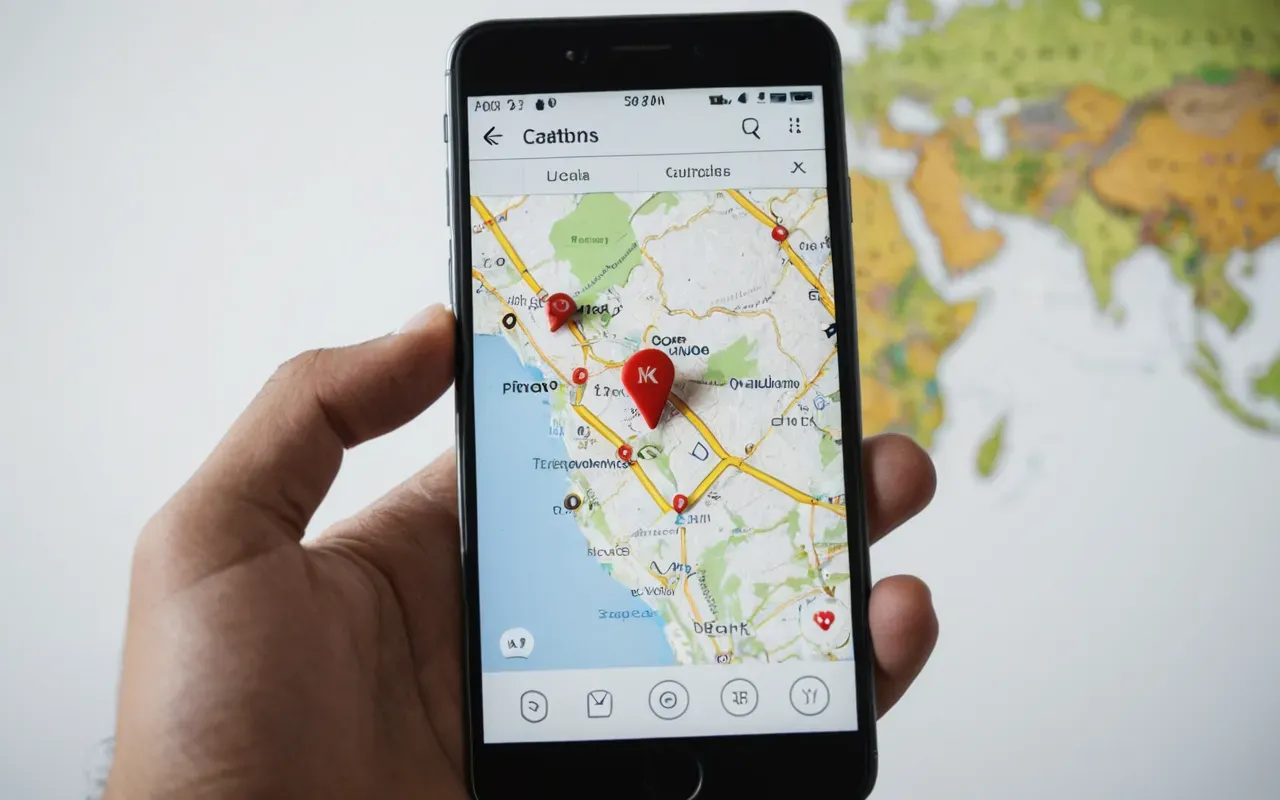
On-Page Localization That Search Engines Respect
Your website must speak the language of your local customers. This goes beyond adding a city name to the footer.
Think about how residents actually describe their needs. Do they call it a repair or a fix? Use the exact phrasing found in local forums and reviews.
Structuring Content for Neighborhood Intent
Create dedicated pages for specific service areas. Mention local landmarks or common neighborhood issues that affect your trade.
This builds topical authority for those specific zones. It tells the search engine you are a local expert, not just a national brand with a satellite office.
Why Generic City Pages Hurt Your Rankings
Duplicate content across multiple city pages is a red flag. Each page needs unique value propositions and local evidence.
If you are struggling with this aspect of your site structure, our guide on technical SEO checklist: fixing indexation and site health issues offers a practical way to audit these pages.

The Role of Local Citations in Trust Signals
Citations are your digital footprints. They confirm you exist in the physical world. Consistency is key here.
Your name address and phone number must match exactly across all directories. Even a slight variation can confuse algorithms.
Building Authority Through Niche Directories
General directories are crowded. Industry-specific platforms carry more weight because they signal relevance.
For example if you are a dentist look for dental associations. If you are an electrician target trade unions.
Leveraging Local Partnerships for Backlinks
Local links are the hardest to get but the most valuable. They prove your community connection.
Sponsor a local sports team or donate to a neighborhood charity. These actions often lead to genuine mentions and links.
How Community Events Boost Your Visibility
Attend local business meetups. Network with other owners who might link to your site.
These relationships also drive referral traffic directly. It is a double win for your online presence.

Mobile-First Optimization for Local Searches
Most local searches happen on phones. Your site must load fast and be easy to navigate with one thumb.
Click-to-call buttons are essential. Do not bury your phone number in a menu.
Reducing Load Time for Instant Access
Compress images and minify code. These small tweaks can cut load times by half.
Fast sites keep users engaged. Slow sites lose them to competitors who load instantly.
Tracking What Actually Converts for You
Traffic is vanity. Conversions are sanity. Track calls form fills and direction requests.
Use call tracking numbers to see which keywords drive actual phone calls. This data guides your budget.
Setting Up Accurate Attribution Models
Last-click attribution misses the truth. Look at first-interaction data to understand where journeys start.
This reveals which content pieces bring in warm leads versus cold browsers.
Frequently Asked Questions
What is the most important local seo strategy?
Optimizing your Google Business Profile is critical. It directly impacts map pack rankings and local visibility.
How long does it take for local seo to work?
Expect visible results within three to six months. Consistent effort and quality content speed up the process.
Why do my local rankings fluctuate daily?
Search engines adjust results based on user location and time. This dynamic nature explains daily shifts.
For the full overview, see SEO fundamentals.


Comments ()