
The Silent Killer of Your Click Through Rate
You spent hours on that title. The meta description felt solid too. And yet — traffic flatlines.
Here's the uncomfortable truth most agencies won't say out loud. Google often ignores your hand-written snippet entirely. It grabs text from deep inside your body copy instead.
That matters more now than ever. AI Overviews have changed how searchers consume information. Your first paragraph isn't just an intro anymore. It's your primary sales pitch.
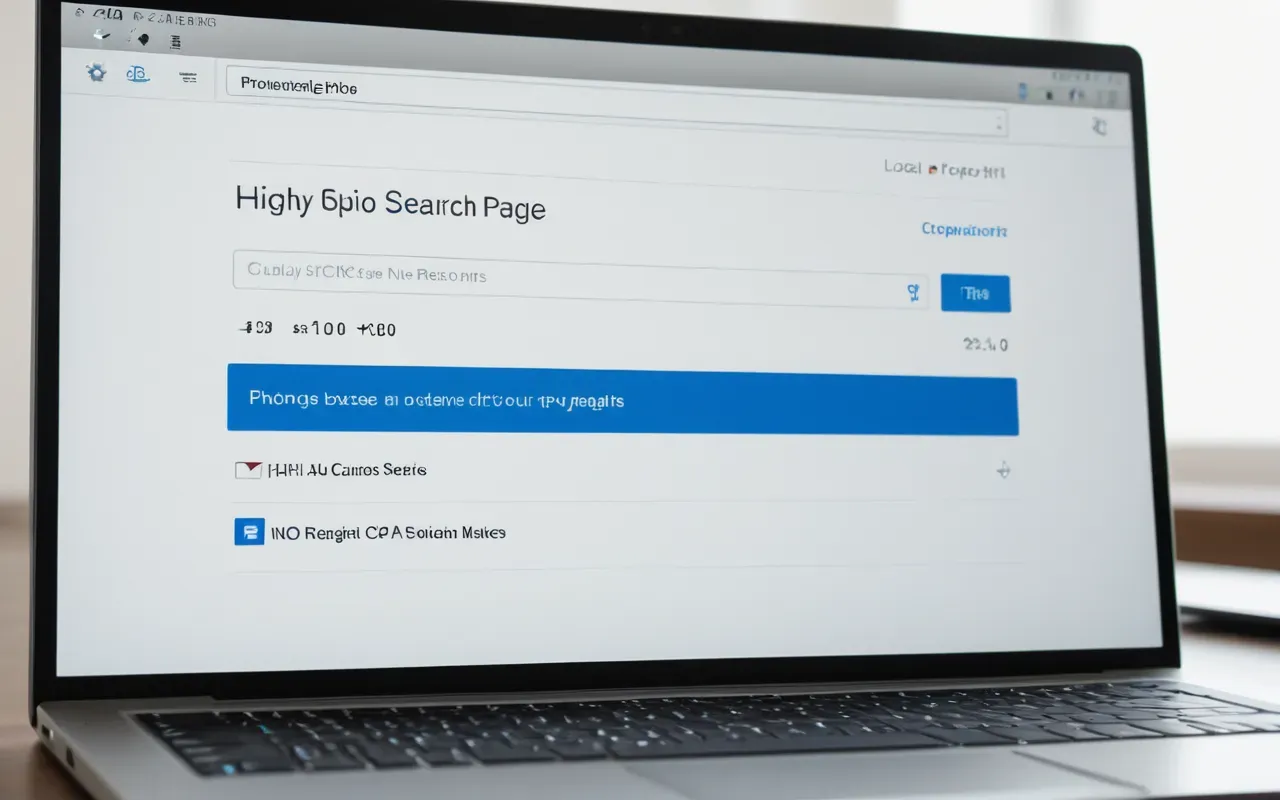
Why Character Counts Are A Dangerous Myth
Most SEO tools scream at you to stay under characters. They treat that limit like a hard wall.
But Google has no fixed limit. Snippets truncate based on device width and search intent. A mobile user sees less than a desktop user.
I've watched clients panic over missing character targets. They rewrite descriptions to fit a box that doesn't exist in the code.
The real risk is front-loading weak information. If your best hook sits at character on a mobile screen, it vanishes. The user sees nothing.
The Mobile Truncation Trap
Look at your phone. Type a common industry query into Google. Notice where the text cuts off.
Often it's around character to . Anything after that is invisible on small screens unless the user taps more.
So why waste those precious early characters on fluff? Start with the specific benefit. Tell them what they get immediately.
AI Overviews Have Changed The Game Completely
Remember when SEO was just about ranking? Those days are over. AI Overviews now summarize answers directly in the search results.
Google pulls those summaries from your page content. It doesn't just read the meta description tag.
If your first two paragraphs are vague or full of jargon, the AI can't extract a clean answer. You lose visibility.
This is where small businesses often fail. They hide the value proposition in section five of the article.
The AI needs clear, direct answers early on. Structure your content so the first section addresses the core question.
Why Your Opening Paragraph Is The New Meta Description
Think of the first paragraph as your dynamic meta description. It adapts to what Google finds most relevant for each search.
If you write a strong opening that answers the user intent directly, Google is more likely to use it.
Do not bury the lede. State what you cover and who it helps in the first two sentences.
Practical Example Of A Strong Opening
Bad example: We offer various services for digital marketing needs across different sectors.
Good example: Learn how to fix broken internal links in under ten minutes. This step by step process prevents crawl errors.
See the difference? The second one is specific. It tells the reader exactly what they'll achieve.
Common Mistakes That Hurt Your Search Visibility
I see three recurring errors in small business websites. They're subtle but costly.
Keyword Stuffing In Descriptions
Stuffing keywords into meta descriptions feels like a hack. It usually backfires.
Readers hate spammy text. Google ignores it if it doesn't match the page content well.
Ignoring Mobile Users Entirely
Over half of search traffic comes from mobile devices. If your snippet is long and wordy, it gets cut off.
You lose the chance to persuade the click. The user moves on to a competitor with a clearer message.
Mismatched Titles And Descriptions
If the title promises one thing and the description says another, trust drops immediately.
Consistency builds confidence. Align your title tag, meta description, and first heading.
How To Write Descriptions That Actually Convert
Writing a good meta description is less about SEO rules and more about psychology.
Focus On The Reader Benefit First
Ask yourself: What does this person need right now? Answer that question in plain language.
Use active voice. Make the reader feel they're taking action by clicking your link.
Include A Clear Call To Action
Words like learn, fix, or save create urgency. They prompt the brain to engage.
Don't be vague. Specificity wins trust in a crowded search results page.
Test And Monitor Your Results
Use Search Console to see which queries show your snippet. Check if they match your intent.
If click-through rates are low for a specific query, rewrite the opening paragraph to address that need better.
A Simple Audit Checklist For Your Next Post
Before publishing any new article, run through this quick mental check.
Does the first sentence state the main benefit clearly? Does it avoid jargon?
Is the tone consistent with the title? If yes, you're ready to publish.
The Future Of SEO Is About Clarity Not Tricks
We're moving away from gaming the system. Google rewards helpful content that answers real questions.
Meta descriptions are part of this shift. They're not just code tags anymore.
They're communication tools. Treat them with the same care you'd give to a sales email subject line.

If you want to see how this fits into a broader content strategy, check out our guide on building resilient digital presence for small teams.
Also consider how chasing AI traffic can backfire if you ignore foundational SEO basics.
Final Thoughts On Winning The Click War
The next time you write a blog post, pause before hitting publish.
Read your first paragraph aloud. Does it sound like a helpful human wrote it?
If the answer is no, rewrite it. That small change might be the difference between being ignored and being chosen.
SEO is not magic. It is clear communication amplified by search engines. Master that and the rest follows.


Comments ()