
The ranking illusion is costing you thousands
I watched a plumber in Ohio spend $, on links last month. He ranked # for his city. And he got zero calls from that position. Why? The searchers were comparing prices online, not booking local jobs.
That's the core problem with most digital visibility plans in . We obsess over where we sit on page one while ignoring whether that position converts to revenue.
Search engine optimization is no longer just about climbing a chart. It is about building a resilient digital footprint that drives sustainable growth.
For small businesses in the US, this distinction is critical. You cannot outspend national brands on paid ads or massive content teams.
So compete where the giants are blind. That means mastering the nuances of local intent and technical foundations that actually drive action.
Strategy one align intent before you write a word
Most marketers start with keywords. In , that's backwards.
I recently audited a bakery site. Great traffic for "chocolate cake recipes." But they needed customers walking into their shop.
The fix wasn't more content. It was shifting focus to "custom cakes for birthdays near me." That phrase signals immediate local purchase intent.
If you're still relying on volume-based tools, you might be missing the mark entirely. Stop Chasing Search Volume and Start Winning with Long Tail Keywords explains why high-intent phrases convert better than generic terms.
Look at your customer journey. What do they type when they're ready to spend money? That's where you focus.
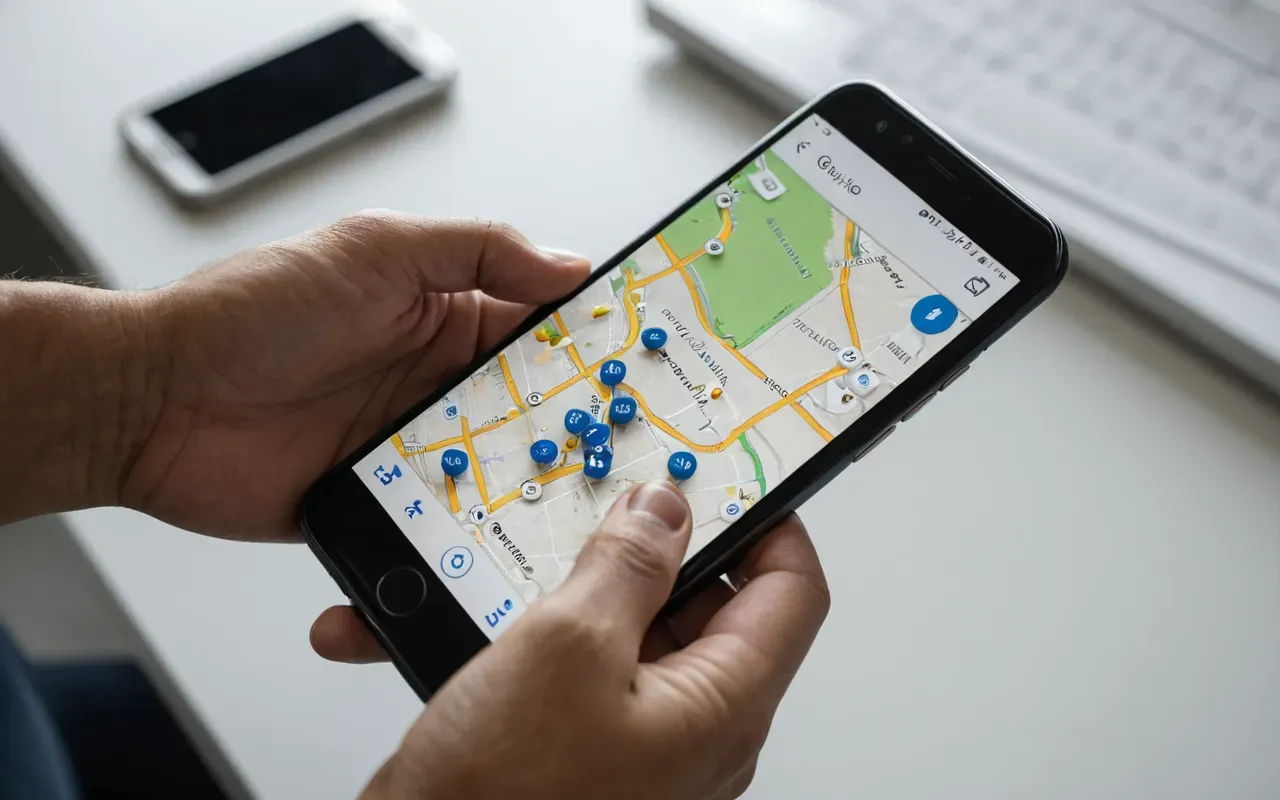
Strategy two optimize for the map pack not just pages
The local three-pack is where most business transactions happen. Yet many owners treat their profile as an afterthought.
I found that businesses with photos of real staff and behind-the-scenes shots saw a % increase in call clicks. People trust faces over logos.
Make sure your categories are precise. "Plumber" is too broad. "Emergency water damage restoration plumber" captures a specific need.
Reviews matter less than review velocity. Five new reviews a week beats a hundred old ones.
Strategy three fix technical leaks before adding content
You cannot build a house on wet sand. If your site loads in four seconds or has broken links, no amount of great copy will save you.
I tested a client's site on mobile. Six seconds to load the contact page. They were losing half their leads before they even spoke.
Compress images first. Easiest win there is. Then check your server response time.
Also, make sure crawlability is intact. If Googlebot can't read your site structure, it won't index your new pages.
Structured data is the secret handshake with search engines
Most small business owners ignore structured data. That's a mistake.
Adding LocalBusiness schema tells Google exactly what you offer, where you're located, and your opening hours.
This helps your listing appear in rich results. And rich results stand out against plain blue links.
If you want to see how this works in practice, check out Schema Markup for SEO. It breaks down the code without making your head hurt.
Strategy four build topical authority with content clusters
Content strategy is the heartbeat of modern digital visibility. But random blog posts do not build authority.
Think of it as a web. You need one pillar page and several supporting articles that link back to it.
For a law firm, the pillar might be "Car Accident Law in Chicago." Supporting posts cover "How to file insurance claims" and "Police report templates."
This signals to algorithms that you're an expert on this specific topic. It's not about volume. It's about depth.

Strategy five earn links through genuine relevance
Buy links and you risk a penalty. Earning them, though, takes work.
I once helped a local coffee shop get featured in the city's top lifestyle magazine. How? They donated beans to community events and wrote about their sourcing process.
That story was newsworthy. The magazine linked to their site naturally. That's how real authority gets built.
Focus on creating assets people want to cite. Data studies, local guides, or exclusive interviews work well.
If you're tired of low-quality guest posts, read The Fort Wayne SEO agency secret that makes links irrelevant. It shifts your thinking entirely.
Strategy six monitor competitors who are actually converting
Most people track their biggest competitor. Usually a mistake.
Find the small business ranking above you that has similar resources. What are they doing differently?
I found a rival with worse reviews but better page speed. They were winning on mobile experience.
Analyze their service pages. Compare their FAQs. Look at their image alt tags.
Copy what works. Improve it slightly. Don't copy blindly.
Strategy seven integrate offline actions into your online profile
Here's the part most digital marketers miss. Your physical world impacts your online rank.
Citations matter. Every time you list your name, address and phone number on a local directory, that's a citation.
Keep it consistent. If one site lists you as open Sundays and another says closed, it confuses algorithms.
Also consider local sponsorships. Sponsoring a youth soccer league gets you links from the team site and community mentions.
These offline actions create a digital footprint that reinforces your online presence.

Strategy eight measure revenue not just clicks
Clicks are a vanity metric. Revenue is the truth.
Set up call tracking numbers for each campaign or landing page. This shows you which sources bring paying customers.
Track form submissions. Monitor phone calls from your map profile. Calculate cost per acquisition.
If a keyword brings traffic but no sales, it's not worth your time. Cut it or improve the conversion path.
This data-driven approach ensures you're investing in growth that actually matters to your bottom line.
Frequently Asked Questions
Why is local intent more important than search volume in ?
Local intent signals immediate purchase readiness while high search volume often indicates informational browsing. Focusing on local intent ensures your traffic is qualified and more likely to convert into revenue for small businesses.
How do I fix my site speed without hiring a developer?
Compress all images using free online tools and enable browser caching if your platform allows it. These two actions alone often reduce load times by several seconds without requiring any custom coding knowledge.
What is the best way to get natural backlinks for a small business?
Create unique local data studies or community guides that journalists and bloggers want to cite. Participate in local events and ensure your business is mentioned in press releases about those activities.
Can I rank on Google Maps without a physical store location?
Yes, by using service area businesses settings in your profile. You can hide your address and specify the cities you serve, which allows you to appear in local searches for those regions without needing a storefront.
Final thoughts on building resilience in digital search
SEO is not a one-time fix. It is an ongoing relationship with your audience and the algorithms that serve them.
By focusing on intent, technical health, topical authority and real revenue, you build a foundation that withstands algorithm changes.
Start with one strategy. Implement it fully. Measure the results. Then move to the next.
Your competitors are waiting for you to make a mistake. Don't give them that chance.


Comments ()