
The silent killer of your organic traffic is anonymity itself
One stat buried in recent research stopped me cold. Roughly forty-eight percent of citations now come from sources outside the top ten standard search results.
That's not a small shift. The engine isn't just hunting for matching words on page one anymore.
It's hunting for a verified human or organization behind the text. And if you're publishing under vague names like "The Editorial Team," you're effectively hiding your work.

Why Google suddenly cares about who writes your content
Look at the timeline. In September , Google updated its Search Central documentation.
The change clarifies how to mark up ProfilePage structured data. Technical on the surface — massive strategic implications underneath.
What's driving it? The flood of generative AI content. Machines can now produce plausible-sounding text at scale.
Humans can't reliably tell AI-written summaries from human insights on quality alone. So the only signal left is provenance.
Search engines need to know which real-world expert vouches for the information. That's where your author entity comes in.
The shift from keywords to entities is irreversible
For years, we optimized for strings. We chased volume and density.
Now, systems like AI Mode use a Knowledge Graph — a massive database connecting facts and relationships across the web.
The strength of your digital identity matters more than the quality of a single article. That's a fundamental change in how value is perceived.
How to build an authorship loop that AI cannot ignore
You need to create a bidirectional link structure. It's the technical key to strengthening your entity.
The sameAs property acts as a digital fingerprint
Think of the sameAs property in Schema.org as a connector. It links your profile page to trusted external sources.
We're talking LinkedIn profiles, X accounts, industry association lists. These external points of trust verify your identity.
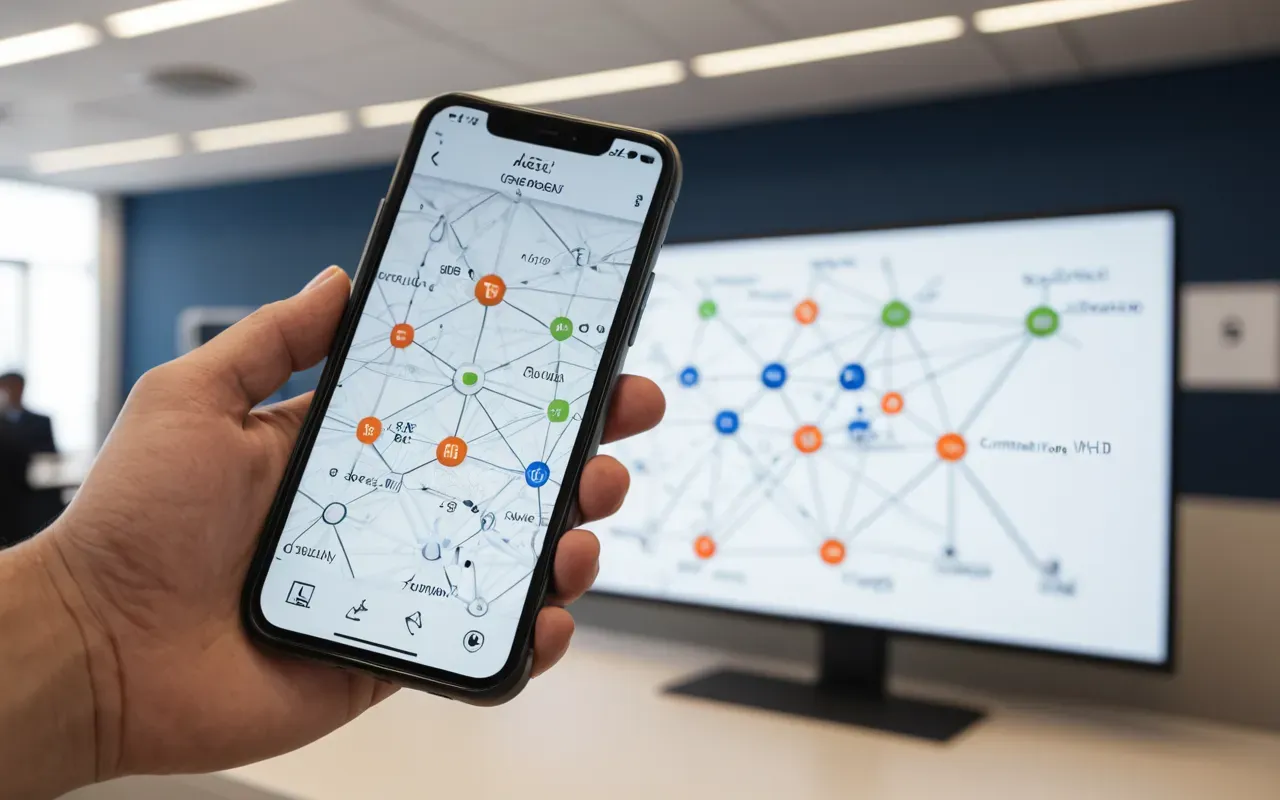
When you write an article, the author field must point back to your profile page. That creates a loop.
From the profile side, you declare that this person wrote specific pieces. That consistency helps AI recognize a solid expert entity.
Practical steps for your WordPress site today
If you use plugins like Rank Math or Yoast, the process is simpler. You fill in your user profile details.
The plugin automatically outputs the JSON-LD code. No manual HTML editing, no errors.
For those without plugins, be careful. Editing theme files directly risks breaking your site.
Always use a child theme and take backups. One misplaced symbol can cause a white screen of death.
Why anonymous content is losing its value in the AI era
In previous SEO eras, outsourced articles could still rank. They provided utility and matched intent.
That value has dropped sharply now. AI can generate general summaries in seconds.
The differentiator is no longer the text itself. It's the unique experience behind it.
E-E-A-T is now evaluated cumulatively for the creator
Experience and Expertise are no longer just per-article traits. They belong to the person.
A practitioner who has solved real problems for ten years carries more weight than a single well-written post.
We need to shift our mindset. We're not just publishing content; we're showcasing a human career.
Putting in-house experts at the forefront of your content flow
Simply adding a name at the end of an article isn't enough. It feels performative.
You need to incorporate unique verification and signatures into the production process itself.
How first-party data boosts your AI citations
AI systems strongly prioritize citing sources with unique internal data. That's the holy grail of credibility.
Include failure stories, common challenges, specific solutions from your field. These are hard to fake.
If a writer creates the draft, have an in-house practitioner verify it. State this process clearly.
For example, note that technical checks were done by a specific engineer using current data. That builds trust.

Common pitfalls that will sabotage your entity SEO efforts
Many companies fall into traps when advancing this strategy. Awareness is the first defense.
The danger of mismatched profile data across platforms
If your LinkedIn bio says one thing and your website says another, AI gets confused.
Ensure the name, title, and description align across all sameAs links. Consistency is key to verification.
Why generic job titles weaken your authority signal
Using a vague title like "Marketing Manager" is less effective than "BB Demand Generation Lead."
Be as specific as possible. Niche expertise is easier for algorithms to categorize and trust.
The future outlook for small businesses in AI search
Search engines have shifted from matching strings to understanding things. That's a profound change.
In an era of AI Mode and Overviews, only verifiable information from trusted experts will be chosen.
This is actually good news for small businesses. You have real people and unique experiences.
Large enterprises often rely on generic corporate voices. You can win by highlighting individual human expertise.
Your immediate action plan for the next thirty days
Start by auditing your current author pages. Do they exist? Are they rich with detail?
Identify your top three in-house experts. Interview them for unique insights and data.
Implement the ProfilePage structured code. Test it with Google's Rich Results tool.
If you're unsure about the technical side, consider consulting with a specialist. It's worth the investment.
For more on how technical foundations support your strategy, check out whether technical SEO actually matters or is it just agency jargon.
Also, understanding why your website might be invisible to AI search engines is a critical parallel step.
Final thoughts on building resilient digital presence
The goal is simple. Empower your business to take control of search visibility.
Don't chase quick fixes. Build a foundation that stands the test of algorithmic changes.
Your proof of humanity and expertise is your most certain competitive advantage. Protect it.

Remember, the ranking war is changing shape. Adapt or become invisible in the new AI-driven landscape.

Comments ()