
The Invisible Wall Between Your Business and AI Search Results
Your content is great. You have the right keywords. But if your site architecture is messy to a bot, none of that saves you.
I've watched sharp small businesses get buried by competitors with worse writing and cleaner code. That gap is technical, not creative.
AI engines don't just read text. They parse structure. Contradict your own signals and the AI simply moves on.
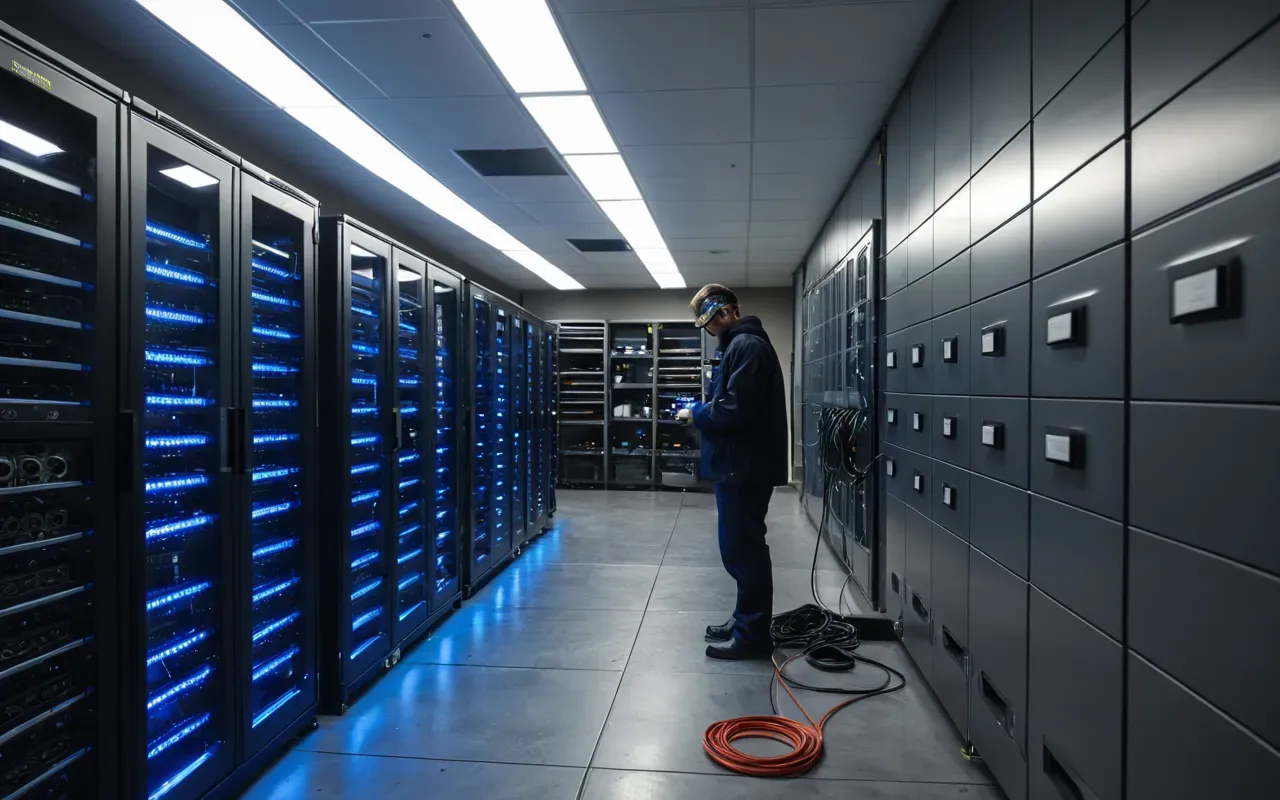
Why Crawlability Is Not the Same as Indexing
Most owners assume that if a bot can see the page, it ranks. Wrong.
Crawling means access. Indexing means understanding value. A page can get crawled and still never surface in results.
Look at your redirect chains. A user clicks a link, bounces through four URLs, and finally lands somewhere — meanwhile you're burning crawl budget for nothing.
And here's the kicker: JavaScript that renders content inconsistently breaks that chain entirely for a lot of parsers.
The Silent Killers of Your Organic Traffic
Canonical tags pointing to the wrong URL? Classic mistake. Those tags tell search engines which version is primary.
When your internal links point to a non-canonical URL while the tag says something else, you're sending mixed signals. Confusion leads to exclusion.

Site Architecture Must Mirror Search Intent Clearly
Say you have a pricing page. A service overview. An educational guide.
If all three chase the same keywords because your architecture is flat, they cannibalize each other. Happens constantly.
The fix is clear parent-child relationships. A broad hub page should link down to specific intent pages.
That hierarchy helps machines understand context. And honestly, it makes navigation easier for humans comparing options too.
Structured Data Is the New Currency of Visibility
AI systems summarize information. They don't just list links.
Lack entity signals and the AI has to guess who you are. That's a risk it won't take.
Use schema consistently. Define your organization clearly. Mark up products and articles accurately. All of it reduces ambiguity.
But don't add schema just to add it. It has to reflect what's visible on the page. Inconsistency breaks trust.

Performance Is Not Just a User Experience Issue Anymore
Slow sites lose users. In the AI era, they also lose crawler patience.
Heavy scripts and delayed interactions create unstable layouts, which confuses rendering engines that depend on consistent output.
Focus on real bottlenecks — image delivery, server response time. Chasing a perfect Lighthouse score is vanity.
If a page takes ten seconds to become interactive, you've already lost both humans and bots.
Internal Links Are Your Hierarchy Map for Machines
Stop treating internal linking as an afterthought. It's a technical signal.
Important pages shouldn't rely on sitemaps alone. They need contextual links from related hubs.
Anchor text matters too. It should describe the destination naturally. Vague or repetitive anchors weaken your topical authority.
This is where small businesses trip. They build silos of content without connecting the dots for the crawler.

The AI Search Shift Is Amplifying Technical Flaws
Generative search doesn't eliminate traditional requirements. It raises the stakes.
Contradictory metadata or unclear entities? AI systems will skip you for a cleaner source.
Which is why optimizing for AI search starts with the basics. You cannot build a castle on sand.
The foundation has to be solid before you worry about the decoration. Technical clarity is the new gatekeeper.
Audits Should Measure Business Impact Not Just Errors
A technical audit will spit out hundreds of warnings. Most are noise.
A missing meta description is annoying but rarely fatal. An accidental noindex tag on your homepage is catastrophic.
Prioritize what blocks crawling or prevents indexing. Those are the issues that kill traffic instantly.
If you want to know what actually matters for your specific site structure, consider how audit errors can hide critical flaws that cost you thousands in lost revenue.
Technical SEO Is a Long Term Operating Discipline
Websites are living systems. They change daily.
New plugins break things. Migrations create duplicate URLs. Content teams add pages without updating navigation.
You have to monitor this constantly — treat technical health like infrastructure maintenance for a power plant.
Content attracts attention. Links build authority. But technical structure determines whether that value ever gets discovered.
In the era of AI-driven discovery, this foundation isn't optional. It's everything.


Comments ()