
The Silent Killer of Organic Traffic That Most Owners Ignore
You spent weeks writing the perfect product description. You optimized every meta tag, wrote compelling alt text for images, and double-checked your keyword placement. Yet your traffic stays flat. Or worse, it drops. Frustrating, right? It's a reality far too many small business owners face when they believe content strategy alone drives rankings.
I've seen this pattern repeat across US markets, over and over. Teams obsess over their words while their site architecture quietly tells search engine bots to buzz off. Honestly, it feels like shouting into a void — you know something's broken, but you can't pinpoint where.
Here's the uncomfortable truth. Your website might be actively sabotaging your efforts through technical flaws that are invisible to human eyes but glaringly obvious to algorithms.

Why Your Content Is Invisible Without Technical Foundations
Ruth Burr Reedy from UpBuild made a striking comparison during her recent presentation. She said SEO is like accounting — complicated tasks require professional handling. That analogy hits hard because most business owners treat technical setup as a one-time task. Set it, forget it, move on.
Search engines have gotten smarter, sure. But they're not perfect. If Google struggles to understand your site structure or your value proposition, it simply moves on to a competitor who makes their job easier.
So here's the harsh reality. Great content means nothing if bots can't reach it or index it properly. You're building a house on sand when you neglect these invisible structural elements.
The Cost of Ignoring Site Performance Metrics
How fast should your pages load? As fast as possible. That's the short answer. But it requires detailed, ongoing monitoring to achieve consistently across all devices and network conditions.
Ideally, your pages should load in under two seconds. This benchmark isn't arbitrary. It reflects user patience thresholds that directly impact bounce rates and conversion probabilities. People click away fast.
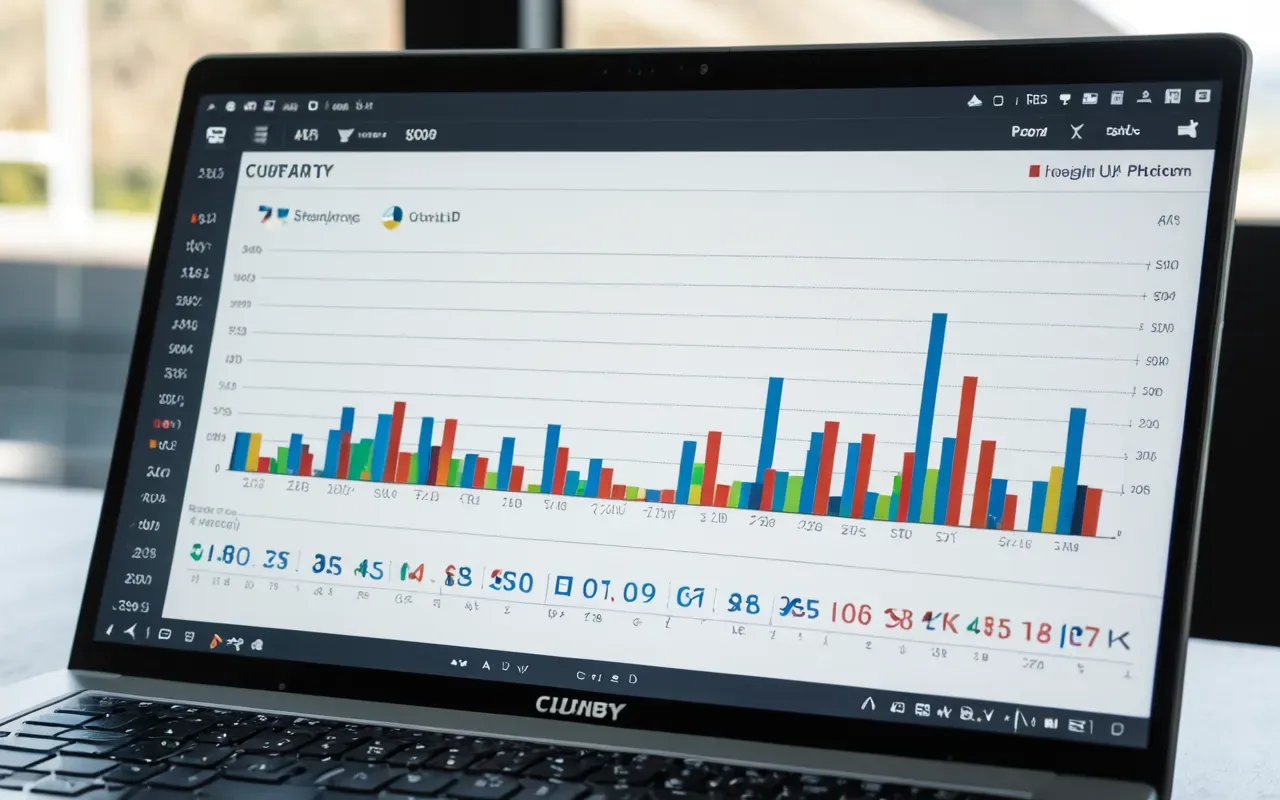
You need to track specific metrics like First Byte Time and DOM Content Load. These numbers tell you exactly where your site stalls during the loading process. One metric alone won't cut it.
Crawl Budget and Indexation Errors That Hide Your Site From Google
Crawl budget refers to the resources Google is willing to spend on your site. When you waste this resource on low-value URLs or duplicate content, you starve important pages of the attention they deserve.
Gary Illyes from Google warned that having many low-value URLs is a primary cause of reduced crawling efficiency. Facets, parameters, and session identifiers are common culprits that bloat your site unnecessarily. They're silent killers.
Infinite Spaces and Duplicate Content Traps
Event calendars that extend a hundred years into the future create infinite spaces. Bots get stuck in these loops, consuming resources without finding valuable content to index for users. It's a dead end.
On-site duplicate content confuses algorithms about which version to rank. This internal competition dilutes your authority and spreads link equity across multiple similar pages. You end up competing against yourself.
You must regularly monitor the Index Coverage report in Google Search Console. This tool reveals exactly which pages are excluded from search results and why they failed to index properly. No guesswork needed.
The Future of Technical SEO in a Device Agnostic World
The modern web is shifting away from traditional keyboard and screen interactions. Devices now access information through voice assistants, smart speakers, and augmented reality interfaces. Your assumptions about how people browse may be outdated.
This shift demands a new approach to information architecture. Your content must be easily extractable by search engines regardless of the device used for retrieval. Structure matters more than ever.
Semantic Markup and Featured Snippet Optimization
Using semantic markup like schema helps Google interpret your content accurately. It signals what type of data you are publishing and how it should be displayed in search results. Small addition, big impact.
Ranking for featured snippets is a strong indicator that your content passes the extraction test. It proves Google can pull specific answers from your site and present them to users effectively. That's the goal.

Bridging the Gap Between SEO Professionals and Developers
Technical SEO fails when teams operate in silos. SEO specialists must understand code basics while developers need to grasp how their work impacts profitability and visibility. Communication gaps cost money.
Designers must prioritize user experience over aesthetic preferences alone. A beautiful website is useless if it confuses users or blocks search engine access to key content. Pretty doesn't equal functional.
Creating a Shared Language for Technical Optimization Tasks
I recommend establishing regular sync meetings between marketing and engineering teams. These sessions should focus on specific technical issues rather than abstract concepts. Bring real problems to the table.
Developers should see SEO requirements as business goals, not just technical tickets. Understanding the revenue impact of faster load times changes their prioritization approach. It reframes the whole conversation.
Practical Steps to Audit Your Technical SEO Foundation Today
Start with a comprehensive crawl using tools like Screaming Frog or DeepCrawl. These platforms identify broken links, redirect chains, and duplicate content issues systematically. They do the heavy lifting for you.
Request server log files from your hosting provider. Analyzing what Googlebot actually visits reveals the true state of your crawlability beyond what standard tools show. This is ground truth.
Testing Mobile Experience Across Different Devices and Browsers
Test your site on various smartphones, tablets, and desktop browsers. Mobile-first indexing means these experiences directly influence your search visibility rankings. Ignore mobile at your own peril.
Use webpagetest.org to visualize the waterfall of your page loading process. This shows exactly which resources delay interactivity and hurt user engagement metrics. You'll see the bottleneck instantly.
Why Technical SEO Determines Your Long Term Digital Resilience
Technical SEO is not the end goal of your optimization efforts, but it creates the foundation for everything else to succeed. Without it, content strategy, link building, and local SEO all suffer. They're built on sand.
Small businesses in the US often compete against giants with massive budgets. Your advantage lies in agility and deep understanding of your specific technical setup. You can move faster and pivot quicker.
By investing in proper technical foundations now, you build resilience against algorithm changes and shifting search behaviors. This long-term approach pays dividends far beyond quick wins. Patience pays off.
The companies that thrive in this environment are those who treat technical optimization as an ongoing discipline rather than a one-time project. They monitor, they adjust, and they adapt continuously. It never truly ends.
Common Technical SEO Mistakes That Small Businesses Make in 2026
Ignoring mobile responsiveness remains a top error. With most searches happening on phones, your site must work flawlessly across all screen sizes and connection speeds. No exceptions.
Failing to implement structured data is another oversight. Without schema markup, you miss opportunities for rich snippets that increase click-through rates significantly. You're leaving money on the table.
How to Prioritize Technical Fixes Based on Business Impact
Not all technical issues carry equal weight. Focus first on problems that block indexing entirely, then address performance bottlenecks affecting user experience. Prioritize ruthlessly.
Track the correlation between technical fixes and traffic changes. This data-driven approach ensures you spend resources on improvements that actually move your business metrics. Measure everything.
Building a Culture of Continuous Technical SEO Improvement
Technical SEO is not set and forget. Search engines evolve constantly, adding new capabilities that change how they crawl, index, and rank content. What worked last year might not work today.
Establish regular audit cycles, quarterly at minimum. This cadence keeps you ahead of emerging issues before they compound into major visibility losses. Consistency beats intensity.
Document your technical decisions and their outcomes. This knowledge base helps new team members understand the rationale behind specific optimization choices. Future you will thank present you.
The Hidden Connection Between Technical SEO and Revenue Growth
Every second of load time lost correlates with reduced conversion rates. Technical SEO is directly tied to how much money your website generates for your business. It's not abstract — it's revenue.
When users cannot find information quickly, they leave and never return. This lost opportunity compounds over time, creating a significant revenue leak for small businesses. Small losses add up fast.
Investing in technical foundations protects your marketing spend. It ensures that every dollar spent on content promotion actually reaches potential customers effectively. No waste.

What This Means for Your SEO Strategy in the Coming Years
The landscape of search is changing rapidly, with AI-powered interfaces and voice interactions becoming mainstream. Your technical setup must accommodate these emerging patterns. The future is already here.
Businesses that treat technical SEO as a strategic priority rather than an afterthought will maintain their competitive edge. Those who ignore it risk becoming invisible in search results. The choice is clear.
Start auditing your technical foundation today. The insights you gain will shape your entire digital marketing approach for years to come. Don't wait for a crisis to force your hand.
Key Takeaways for Small Business Owners Focused on Growth
Technical SEO is the invisible infrastructure that supports all your other marketing efforts. Without it, your best content remains hidden from potential customers. Build the foundation first.
Stop treating technical SEO like some background chore. Performance, crawlability, and indexation should sit right up there with revenue in your monthly reporting. These aren't nerdy footnotes — they're the mechanics that decide whether you even get to play in the search results at all.
And here's the thing: don't silo this work into one team. I've seen too many sites where developers, marketers, and content folks all assume someone else is handling technical health. That's how broken redirects and orphaned pages quietly kill your rankings. Build cross-functional teams that own this together. When everyone shares responsibility, critical issues actually get caught — and fixed.
Frequently Asked Questions About Technical SEO for Small Businesses
So, how often should you run a technical audit? Quarterly is a solid baseline. But honestly? If you're shipping big site changes or you watch organic traffic take an unexplained nosedive, don't wait. Run one immediately. The cost of a surprise audit is nothing compared to weeks of lost rankings.
Worried you need pricey tools to keep tabs on your site? You don't. Plenty of free options exist — Google Search Console alone covers a shocking amount of ground, and basic speed testing platforms give you the essentials. You can learn a lot before ever opening your wallet.
Can you handle technical SEO without a developer on the payroll? Partially, yes. Start with the basics — checking for crawl errors, fixing obvious duplicate content, making sure your XML sitemap is clean. But complex issues, like server-side rendering or structured data at scale? Those usually need a professional. Don't burn weeks trying to hack your way through code you don't understand.
Conclusion and Next Steps for Your Technical SEO Journey
Here's my honest take: technical SEO isn't optional if you're serious about organic growth. It's the bedrock. You can pour money into content and links, but if Google can't crawl or index your pages properly, none of it matters. Every other strategy depends on this foundation holding up.
So take action today — schedule your first comprehensive audit. Even if it's uncomfortable, the insights are worth it. You'll surface opportunities you didn't know existed, and those improvements hit your bottom line directly.
Lastly, remember one thing: consistency beats perfection. Regular monitoring and small, incremental fixes outperform the occasional dramatic overhaul every single time. Show up weekly, fix what you can, and let the compounding do its work.


Comments ()