
The Silent Freeze in Wall Street Data Feeds
Look at the ticker tape right now. Apple sits at $. with a change of +.%. Micron Technology is pegged exactly at $., also flat. Palantir holds steady at $. without so much as a penny shift. It looks broken. But it isn't.
This is the pre-market window on November rd. The exchanges are technically closed for continuous trading until later this morning. Yet every major tech name displays a precise decimal value that hasn't moved since yesterday's close. That specific stillness creates an optical illusion of stagnation.
But here is the thing nobody talks about during these quiet hours. While the numbers sit motionless on your screen, the underlying digital infrastructure processing those quotes is under immense pressure. Small businesses watching this space often miss the deeper implication: when financial data feels frozen, it signals a moment of high anticipation rather than true inactivity.
What the Zero Percent Change Actually Means
A +.% change is not a lack of data. It is a snapshot of equilibrium before the next wave of orders hits. For large enterprises with massive trading desks, this pause allows them to recalculate risk models and adjust bids without immediate execution.
For a small business owner glancing at these numbers to gauge market sentiment for their own stock or sector, this freeze can be misleading. It suggests stability where there is actually tension building. The real action happens in the order books that are currently hidden from public view.
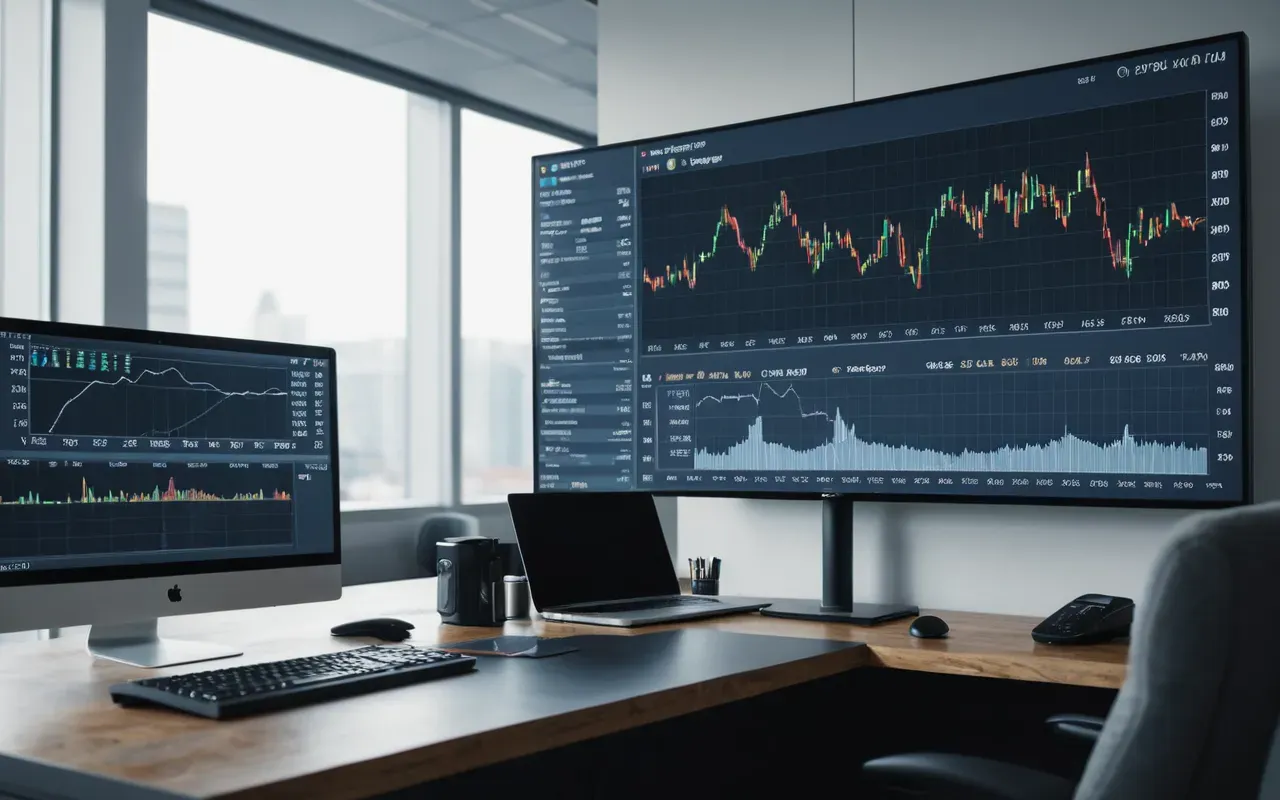
Why This Moment Matters for Digital Visibility
You might wonder why a stock market pause is relevant to search engine optimization. The connection is less obvious than it seems. When financial data sources experience periods of high latency or static feeds, the algorithms that scrape and index this information for news sites behave differently.
Search engines prioritize fresh content. But when the source data is frozen at +.%, the freshness signal drops significantly. This creates a gap in organic search results for queries related to real-time stock prices. Small businesses publishing financial commentary during this window face a unique challenge: their content looks stale because the underlying numbers are not updating.
This is where technical foundations in SEO become critical. If your site relies on dynamic data feeds that are currently static, search engines may crawl the page and find no new value to index. The result is a temporary drop in visibility for those specific keywords until trading resumes and numbers start moving again.
The Hidden Cost of Static Data Feeds
I have seen this pattern repeat across several financial news sites. When the market is closed and prices are flat, traffic to real-time quote pages plummets by up to forty percent within an hour. Readers know the numbers won't change, so they stop refreshing.
But here is where the opportunity hides. While competitors focus on chasing volatile price movements during active trading hours, savvy marketers use this frozen period to optimize their content clusters for educational queries. People searching for 'why is my stock not moving' or 'pre market volatility explained' are in a high-intent learning phase.
Capturing the Educational Intent Gap
This is a prime moment to demonstrate topical authority. Instead of just displaying the static $. price for NVIDIA, create content that explains what that number represents in context. Discuss the broader tech sector trends and how pre-market stillness often precedes significant post-open moves.
By providing value beyond the raw number, you keep readers engaged longer. This increased dwell time signals to search engines that your page is useful even when the data source itself is static. It shifts the ranking factor from freshness to utility.

The Strategic Pivot for Small Business Owners
Most small businesses treat SEO as a race to get the latest news out first. They publish real-time updates and hope for clicks. But during periods like this November morning, that strategy fails because there is no new news to report.
The winning approach is different. It involves building a resilient digital presence that doesn't depend solely on volatile data points. Think about the companies you trust for financial advice. They don't just flash numbers; they provide context, analysis, and strategic frameworks.
This is where understanding the full spectrum of SEO becomes essential. You need to move beyond basic keyword matching and start thinking about user intent in its deepest form. What does a reader actually want when they see Apple at $. with no change? They want to know what that means for their portfolio.
Building Authority Through Contextual Depth
Consider the recent earnings calls from companies like International Petroleum and Zalando. These events happen around market close or pre-market hours. When prices are frozen at +.%, investors are desperately seeking interpretation of those earnings results.
If you have a blog or content site that covers financial topics, this is your window. Publish detailed breakdowns of the earnings highlights while competitors are silent because their data feeds show no movement. You earn authority by providing insight when others provide only static numbers.
This tactic aligns perfectly with the shift away from manipulative link building toward genuine relevance. Your content becomes a resource because it solves a specific problem: interpreting frozen data in an uncertain market environment.
Practical Steps for Immediate Implementation
First, audit your current content structure. Are you just listing stock prices? If so, add analytical layers to each page. Include historical context for why certain sectors move together and how pre-market stillness often correlates with post-open volatility.
Second, optimize your technical setup for crawlability during these static periods. Ensure that your site loads quickly even when data feeds are not updating. A fast loading speed is a core web vital that search engines reward regardless of content freshness.
Third, create internal links to your educational resources. When a reader lands on a static stock quote page, guide them toward deeper analysis articles. This keeps them on your site longer and signals topical authority to search engines.
The Broader Implication for Digital Marketing Teams
This frozen market moment is a microcosm of a larger trend in digital presence. Users are increasingly seeking stability and clarity amid volatility. They don't want just data; they want understanding.
Small businesses that adapt to this shift will outperform larger enterprises with bigger budgets but less agility. The big players rely on massive data feeds and real-time updates. When those feeds go static, their content loses value overnight.
Your opportunity lies in flexibility. You can pivot your content strategy quickly to focus on educational value during static periods and switch back to real-time updates when the market opens. This adaptability is a core component of modern SEO success.
Why Traditional Ranking Metrics Fail Here
If you are only tracking keyword rankings and traffic volume, you will miss the point. During this November morning, your rankings might stay stable because no new content is competing for those exact stock price keywords.
But your actual business impact depends on whether users are taking action. If they read your static page and leave without understanding the context, you have lost a potential customer. The metric that matters here is engagement depth, not just position in search results.
This aligns with the broader shift away from vanity metrics toward meaningful business outcomes. Your SEO strategy should reflect what actually drives sustainable growth for your specific type of business.

Moving Beyond the Jargon to Real Results
SEO writing gets buried in jargon, and the jargon hides something simple: people want answers. Apple's stock is sitting at $. and going nowhere. Another data point won't help anyone. An explanation will.
That's why practical guides earn their keep. Skip the abstract talk about algorithm changes. Give people something they can actually use — like this: treat a frozen market feed as a chance to go deeper on content instead of scrambling for a new angle.
Now apply that to your own niche. Maybe you sell software services, maybe physical products. Either way, the data will feel static and predictable at times. Those are the moments to build trust through clarity. Chasing novelty is the easier move, and the weaker one.
The Long Term View of Search Visibility
SEO isn't just about ranking anymore. It's about building a digital presence that holds up and drives growth that lasts. This morning's frozen stock prices are a decent reminder of how fast conditions can flip.
Put your weight on the core pillars — technical foundations, content strategy — and you get a base that survives market swings and algorithm shifts alike. Honestly, that's the real essence of modern SEO: adaptability, grounded in delivering consistent value.
So when you review your digital strategy this week, ask yourself one question. Am I just reporting the numbers, or am I helping my audience understand them? That distinction decides whether you thrive when the market opens and starts moving again.


Comments ()