
The Binary Thinking Trap That Bleeds Your Marketing Budget Dry
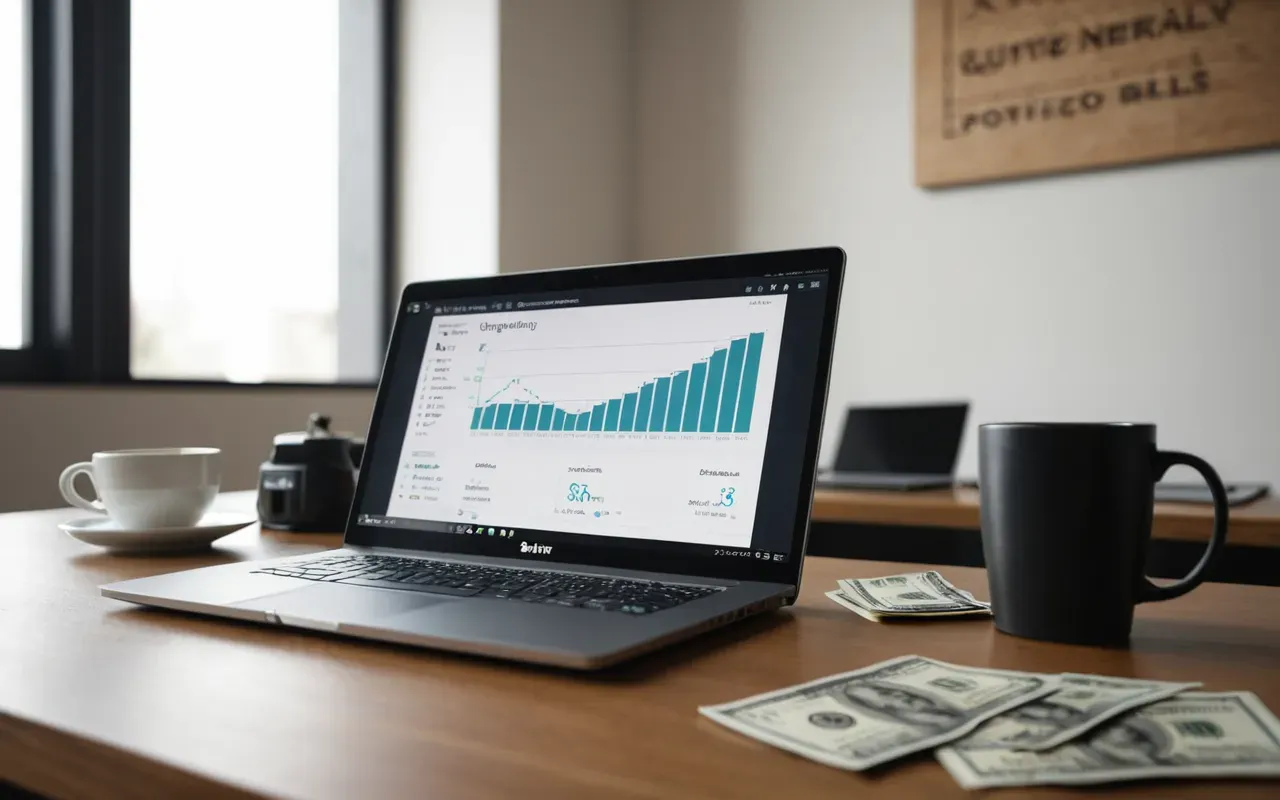
You're staring at two very different spreadsheets. One shows revenue falling off a cliff the second you stop clicking 'publish' on an ad campaign. The other shows a slow, jagged climb that took six months just to break even.
Most business owners treat these as a choice. Pick the fast one, or pick the slow one. I've watched that mistake do more damage to small businesses than any single algorithm update.
The problem isn't that you're spending money. It's that you're renting visibility instead of buying it. And right now, the rent is getting expensive.
Why Immediate Traffic Creates a Dangerous Dependency Loop
Pay-per-click ads are incredibly efficient when you need them. Want a product launch to pop on Tuesday? You run the ad Monday and see sales by Wednesday morning.
But here's where it gets tricky. Your team starts measuring success by the daily click count. You optimize for the next twenty-four hours instead of the next twelve months.
That creates a dependency loop. You stop investing in content because it takes too long to see results. You stop fixing technical issues because they don't show up on the dashboard today.
So you keep paying. And the costs go up, because your competitors are doing exactly what you're doing.
The Hidden Equity You Are Ignoring While Chasing Quick Wins
Search engine optimization isn't just about ranking keywords. It's about building a structure that search engines trust over time.
When you optimize your site speed or fix broken links, you're not just checking a box. You're building an asset that works for you even when the servers sleep.
I was struck by a client last month who spent five thousand dollars on ads but had zero organic traffic. They were invisible to the two percent of users who never click paid results.
That's a massive blind spot. You're paying for every single visitor to that specific slice of the audience.
How Topical Authority Becomes Your Moat Against Bigger Competitors
Big brands have bigger budgets. They can outbid you on every major keyword in your industry.
But they rarely have the depth of knowledge you do. This is where content clusters come in.
By creating a group of related articles that answer specific questions, you demonstrate expertise. Search engines notice this pattern.
You become the go-to resource for niche queries that large competitors ignore because they're not profitable enough to target directly.
This is the quiet shift that separates sustainable growth from a constant race to the bottom.
The Hybrid Approach That Actually Works for Small Business Owners
You don't have to choose one over the other. The mistake is thinking they're mutually exclusive.
Use paid search to test your messaging. See which headlines convert and which keywords bring high intent buyers.
Then take those winning angles and build organic content around them. You're now using data to guide your long term investment.
This is how you lower your customer acquisition costs over time. You're not just buying traffic; you're building a system that earns it.
Where to Start If Your Budget Is Tight but Ambitious
Start with your technical foundations. A slow site kills conversions regardless of how good your ads are.
Fix crawlability issues first. If bots can't read your site, no amount of ad spend will save you from poor organic visibility.
Then identify your top three service pages. Are they optimized for the specific intent of people ready to buy?
If you're struggling with where to start your technical fixes, look at how audit scores can mislead your priorities.
Focus on the things that actually move the needle. Ignore vanity metrics that look good in a report but don't pay your bills.
The Real Cost of Stopping Your Ad Spend Tomorrow
Let's talk about what happens when you pull the plug on paid search.
Your traffic drops to zero almost immediately. No buffer. No momentum.
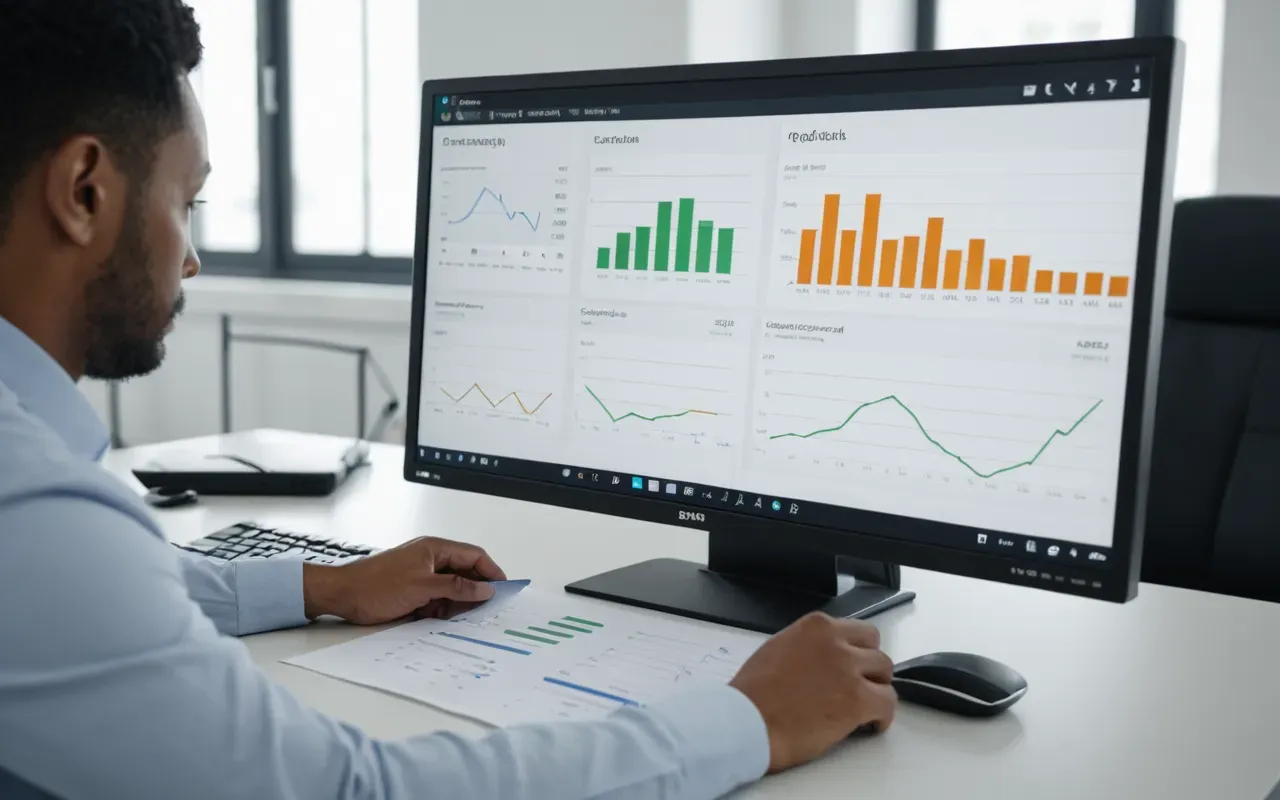
Now look at your organic traffic graph from six months ago. It's likely higher than it was a year ago.
That organic traffic stays. It doesn't care if you stop writing content this week.
This is the difference between renting and owning. And in a volatile market, ownership wins.
How to Measure Success Beyond the Daily Click Count
Stop looking at cost per click as your primary health indicator. It's a variable that changes daily.
Instead, track your share of voice in specific niche categories. Are you becoming the authority?
Track your email list growth from organic sources. This is a direct measure of trust.
If you're unsure how to set up these tracking systems without getting overwhelmed by data, check out strategies that focus on revenue rather than rankings.
These metrics tell you if your strategy is building equity or just burning cash.

Why Your Competitors Are Quietly Shifting Their Strategy Right Now
The smart players aren't choosing between SEO and PPC. They're integrating them.
They use ads to capture high intent buyers today while their content teams build the library of answers that will attract tomorrow's customers.
This creates a flywheel. The more relevant content you have, the cheaper your ads become because of better quality scores.
And the more data you get from ads, the better your content becomes.
The Role of AI Search in Changing This Dynamic Completely
Search behavior is changing. Users are asking questions to AI assistants instead of typing keywords.
This means your content needs to be structured for machine readability. It must answer questions directly and clearly.
If your site is invisible to these new search methods, you're losing customers before they even see a page.
This is why technical SEO is more important than ever. It's the foundation that allows your content to be understood by both humans and algorithms.
You can read more about this shift in how manual marketers are being left behind.

Action Steps to Balance Speed and Sustainability This Month
First, audit your current ad spend. How much of it is going to keywords where you have no organic presence?
Second, pick one of those keywords and create a comprehensive guide that answers every related question.
Third, optimize your site speed for the pages that receive the most traffic from both sources.
Fourth, set up a tracking system that measures organic growth independently from paid performance.
These steps aren't complicated. They require discipline and a shift in perspective from renting to owning.
Common Mistakes That Derail This Balanced Approach
One major mistake is waiting for SEO to work before spending on ads. This leaves you vulnerable in competitive markets.
Another is ignoring technical SEO because it doesn't produce immediate content wins. This creates a weak foundation that limits your growth.
Finally, don't measure success solely by short term revenue. You must look at the health of your digital presence over time.
If you're looking for specific technical fixes to implement right now, check out the often ignored fix that actually moves the needle.
This is where most small businesses lose ground. Not because they lack budget, but because they lack a clear strategy that balances immediate needs with long term value.
Building a Resilient Digital Presence That Outlasts Algorithm Changes
Algorithms change. Search behaviors evolve. New platforms emerge.
The only thing that stays constant is the need for genuine value and relevance.
When you build your strategy around providing real answers to user problems, you're insulated from many of these shifts.
Your ads might need new creative. Your SEO strategies might need updates. But your core message of expertise and trust remains strong.
Sustainable growth, honestly, is this. Not chasing every trend that comes along. It's building a foundation that can actually hold up when things change.
Final Thoughts on Choosing Between Renting and Owning Your Traffic
You don't have to pick a side. The winners get that speed and stability aren't enemies — they can coexist.
So use paid search to fuel your immediate goals. Use organic SEO to build the engine that powers your future.
This isn't theory. It's a practical approach that's worked for countless small businesses going up against giants.
Start today. Look at your budget and ask yourself one question: are you renting or owning?
The answer tells you exactly where your next investment should go. And that clarity? Worth more than any quick win.



Comments ()