
The assumption that broke the industry model
For a decade, the logic was simple. Bigger brand means bigger agency. Run a franchise with fifty locations, or an e-commerce site with twenty thousand products, and the assumption was you needed a hundred specialists to keep the machine running.
That logic is collapsing. A fresh look at the top search firms in Malaysia reveals a counterintuitive trend. Smaller teams are winning major corporate accounts.
Why? Because enterprise SEO is not about manpower. It is about precision. A large agency often spreads its senior talent thin across multiple clients.
A boutique team can dedicate a single strategist to your complex site architecture. That kind of focus tends to beat the brute force of a larger operation.

The franchise puzzle that confuses most agencies
Franchise businesses face a unique nightmare. They need the main brand to rank nationally but also need individual outlets to appear for local searches.
Most large agencies treat this as a content duplication problem. They clone pages for each location and hope Google figures it out.
This approach fails. Search engines hate duplicate content. It dilutes the brand authority and confuses crawlers.
Smaller agencies often solve this with a centralized technical strategy. They build one robust site structure that supports local signals without sacrificing national reach.
This requires deep technical understanding. It is not about writing more text; it is about managing crawl budgets and indexation efficiently.
Real data from a Malaysian fintech success story
Consider the work done for Paydibs. This Malaysian payment gateway operates in a highly competitive BB market.
Their agency helped increase organic enquiries by percent within six months. That is a massive shift for an established brand.
They also grew qualified organic traffic by nearly percent. The brand reached the number one position for its core keyword.
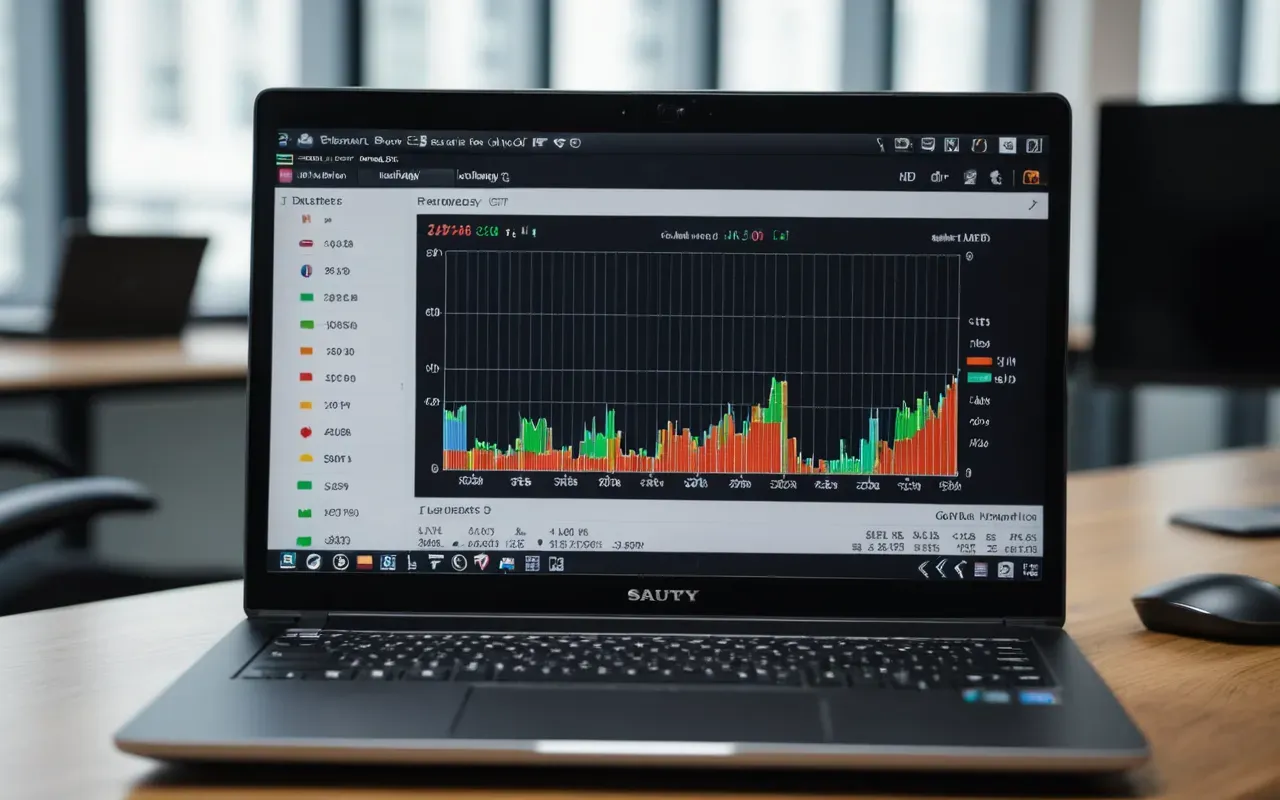
Monthly search visibility jumped from eleven thousand to over five hundred thousand impressions. These numbers speak for themselves.
What made this possible was not a bigger team. It was a sharper strategy that aligned technical fixes with high-intent content.
The hidden cost of choosing agency size over skill
When you hire a giant firm for a mid-sized brand problem, you pay for their overhead. You get junior staff and generic reports.
A specialist firm charges less for the same senior expertise. They are not selling you a logo; they are selling you results.
Look at agencies like Laman. They worked with a dental franchise having over twenty branches.
Their strategy helped individual clinics gain search visibility while strengthening the wider brand presence. This is exactly what franchises need.
A smaller team structure allowed for closer involvement. The strategist knew the specific challenges of each clinic location.
Why AI search visibility is changing the rules again
Search behavior is shifting. Users are increasingly relying on AI-driven answer engines and chatbots for information.
Traditional SEO agencies often struggle to adapt. They are used to optimizing for blue links and click-through rates.
Smaller firms are often more agile. They can pivot their content strategy to optimize for generative engines quickly.
This is where the advantage lies. If your agency cannot explain how they optimize for AI summaries, you are already behind.
Agencies like Cleverus and Rankpage are explicitly building services for this new reality. They do not just chase keywords; they structure data.
Questions you must ask before signing a contract
Do not just look at their client logos. Ask about the day-to-day process.
Who will handle your account? Is it a senior strategist or an intern?
How do you manage technical changes? Do they have in-house developers or do they outsource?
Can performance be reported by location and business unit? If not, you will have no visibility into local results.
These questions reveal the true capability of a firm. The answers matter more than any award on their wall.
The bottom line for growing brands and franchises
You do not need the biggest agency in the room. You need the one that understands your specific complexity.
If you are a franchise with fifty stores, look for proven local experience.
If you are an e-commerce giant, focus on technical scalability and crawl efficiency.
Shortlist two or three firms that match your model. Compare their technical depth and reporting transparency.
The market is shifting away from size toward skill. Embrace that change and your search visibility will follow.



Comments ()