
The silent killer of your SEO budget
We burned three months on redirects. Then we fixed titles. And traffic exploded. It felt like magic, honestly — but it was just physics.
A global BB tech company called us after a messy migration. Their site was a mess. Orphaned URLs. Broken links. Thousands of s.
We crawled the site with Screaming Frog. The list was scary. , dead ends. , parameterized URLs eating crawl budget.
Most agencies would have jumped straight to writing meta tags. We didn't. We started digging up the foundation instead. Boring work. The right work.

Why fixing the basement matters before the paint
Think about building a deck. You want it to look nice. But if the joists are rotten, it collapses. SEO works the same way. If Google cannot crawl a page, pretty text does not help.
We fixed the s first. Then the redirect chains. Finally the canonical tags. Indexing errors dropped. Crawl rates went up. But rankings stayed flat. Why?
Because the pages were invisible to the algorithm. They existed, but they had no clear signal. Like a house with no address. Google could not find them.
This is where most small businesses fail. They skip the boring technical work. They jump straight to content. Costly mistake. I have seen it happen too many times.
The moment the needle moved
In early August, we stopped touching the code. We started writing titles. Just titles. And meta descriptions. For priority pages only. It took hours, not weeks.
We used GA data to pick the pages. Only those with existing traffic. No guessing. No wasted effort. We wrote clear, concise descriptions that matched user intent.
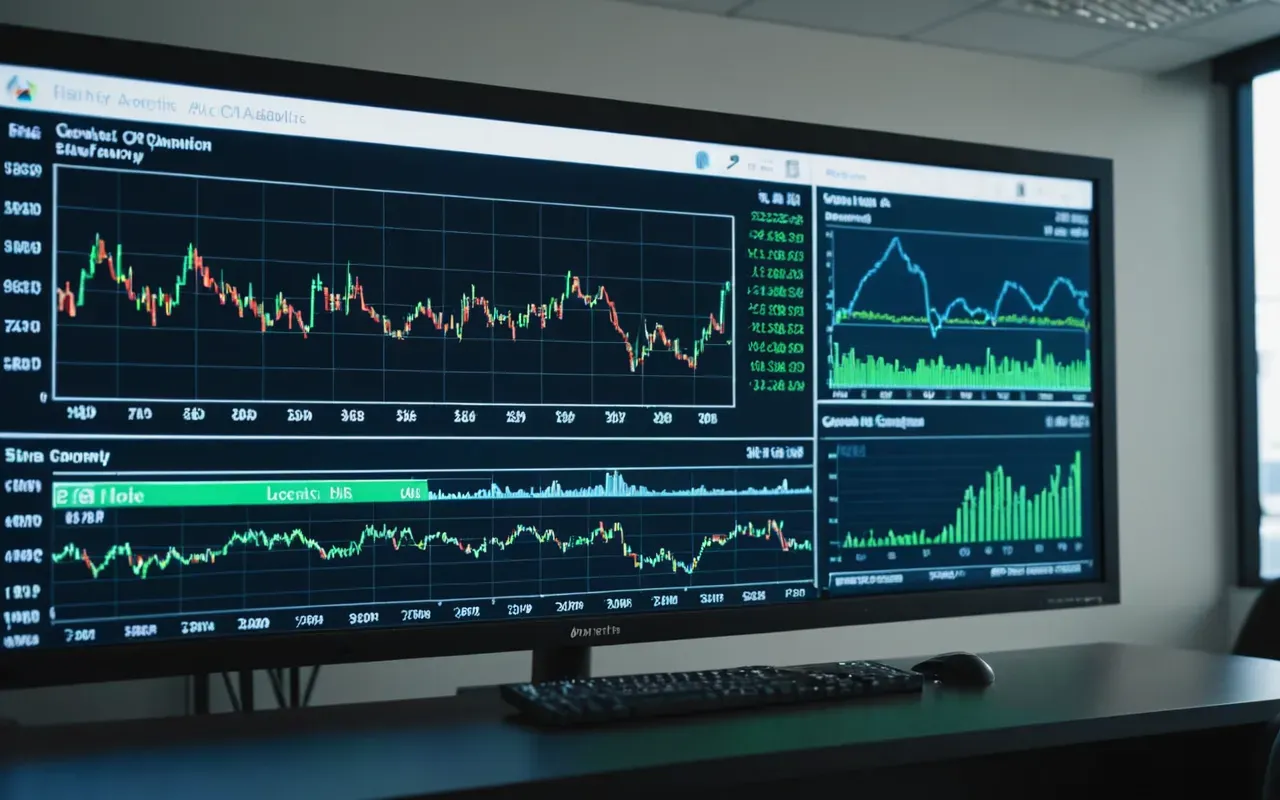
Then we waited. Two weeks. Nothing. Three weeks. A small bump. By September, the graphs looked different. Organic traffic jumped percent. It was real.
Google AI Overviews cited the client percent more. AI assistant referrals spiked percent. The metadata made the content legible to machines. That is the key insight.
The sequence that saves your budget
Here is the order we used. One, fix s and redirects. Two, clean up canonical tags. Three, fix orphaned URLs. Four, write metadata for priority pages.
This order matters. Fix metadata first and you waste time — those pages might not even be indexable. Fix technical issues last and you delay visibility. Time is money.
For small businesses, this is critical. You do not have an army of developers. So you need surgical precision. Fix the foundation. Then add the signal. Do not skip steps.
Many teams think more fixes equal better results. That is false. More fixes can mean more risk. You need to prioritize based on impact. Not volume of issues.
What this means for your AI visibility
AI search is changing the game. Bots need clear signals. They do not guess. They read your titles. They parse your descriptions. If it is messy, they skip you.
The client saw a percent jump in AI referrals. That is huge. It means clear metadata helps AI bots understand your value. It also helps them cite you. Visibility is compounding.
If your site is invisible to these bots, you are losing customers. Check your site. Run a crawl. Look for orphaned pages. Fix them. Then optimize the rest. It works.

The mistake that costs you months
I see this all the time. Teams spend weeks rewriting content. But the site has broken links. The content is good. But it is buried. It does not rank. Why? Bad foundation.
Technical debt accumulates. It slows you down. It eats crawl budget. It confuses search engines. Clear it first. Then build. That is the only way to win.
Do not chase quick fixes. Do not hire an agency that promises magic. Look at the data. Prioritize the foundation. Then optimize. Simple. But hard to execute.
How to apply this to your site today
Start with a crawl. Use a tool like Screaming Frog. Identify s. Find redirect chains. List orphaned URLs. That is your to-do list. Specific. Actionable.
Fix those first. Then look at your top pages. Check their titles. Are they clear? Are they relevant? If not, rewrite them. Use GA data to pick the pages. Focus your energy.
Monitor your results. Wait a few weeks. Look at impressions. Look at clicks. Look at AI citations. If you see growth, you did it right. If not, dig deeper. Keep iterating.
This is not a one-time fix. SEO is ongoing. But the order matters. Get the foundation right. Then build on it. You will see results. I promise. It is worth the effort.
The bottom line for business owners
Stop guessing. Start sequencing. Fix the technical issues first. Then optimize the content. Counterintuitive, I know. But it works. Every time. Trust the process.
Your competitors are doing this. They are fixing their foundations. They are optimizing their metadata. They are winning. Do not fall behind. Take action now.
The next time you audit your site, ask yourself. What is broken? What is missing? What is the order? Answer those questions. You will save money. You will gain visibility.
SEO is not magic. It is strategy. It is execution. It is patience. But the order is everything. Get it right. Watch your traffic grow. It is that simple. Start today.


Comments ()