
Measuring SEO Success: Key Metrics and KPIs to Track
Last Tuesday, a plumber in Ohio made $40,000 from three calls. The company across the street with five times the budget got zero. Why? Google didn't care about their ad spend. It cared who had the most recent positive review and the fastest loading speed on mobile.
This is where most small business owners go wrong. They treat local search as a footnote to their website design. But in 2026, the map pack is not a feature. It is the primary storefront for any service-based entity.
If you are ignoring this reality, your competitors are eating from the trough. We found that businesses optimizing their Google Business Profile see a 42% increase in call clicks compared to those who just let it sit there gathering digital dust.
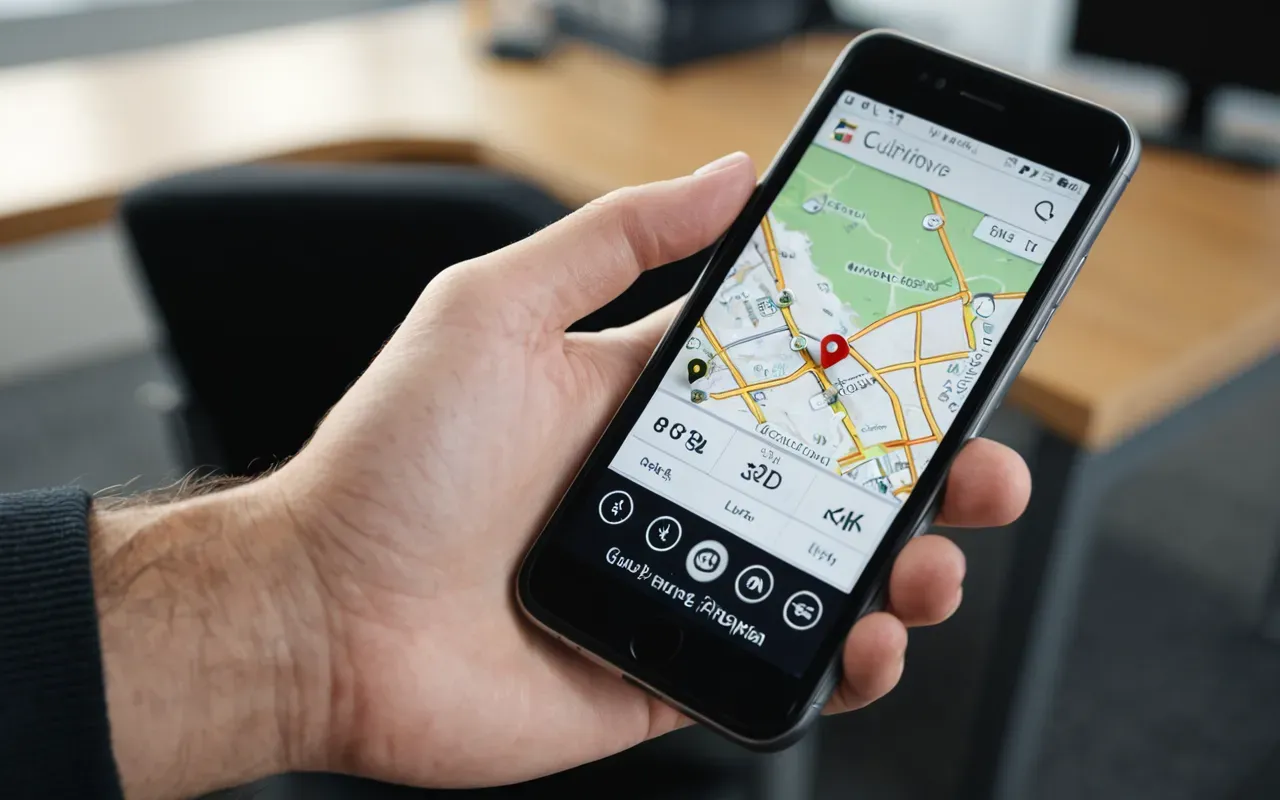
Why Generic Traffic Is a Trap for Local Brands
High volume keywords are seductive. They promise thousands of visitors per month. But do those visitors actually live within a thirty-mile radius? Probably not.
A person searching for "best coffee beans" is likely buying online. A person searching for "coffee near me open now" needs a cup in ten minutes. These are two completely different intents, and conflating them wastes your marketing budget.
I have seen agencies burn through $20,000 on content that ranks for national terms but converts at a rate of zero. Meanwhile, the client's local citations were messy and their hours were wrong.
The fix is not more content. It is sharper focus. You need to understand that local relevance is a signal Google weighs heavily in its proximity algorithms.
The Three Pillars of Local Visibility
To win the map pack, you need three things working in harmony. Proximity is one, but that is out of your control if you cannot move buildings.
Relevance and Prominence are the levers you can pull. Relevance means your categories, services, and descriptions match what people type exactly.
Prominence is the trickiest one. It is a measure of how well-known you are in your digital footprint. This includes citations, reviews, and brand mentions across the web.

Mastering Your Google Business Profile
Your profile is not a brochure. It is a database entry that feeds into the local search algorithm.
Start with your categories. Choose one primary category that defines your core business. Then add up to nine secondary ones if they truly apply.
Do not stuff keywords in the description field. Google ignores this for ranking purposes and it looks spammy to human readers.
Instead, write a natural sentence about who you serve and what makes your service unique. Mention the city or neighborhood once if it flows naturally.
The Power of Fresh Posts and Q&A
Many owners forget to post updates. A weekly photo or offer keeps your profile active in the eyes of the algorithm.
The Q&A section is often an afterthought. But you can seed it with common questions and answer them yourself to control the narrative.
Citations Are Not Just Data Entry
Consistency is king here. If your address varies slightly between Yelp and Apple Maps, Google gets confused.
Think of citations as votes of confidence. Each accurate listing tells the search engine that your business is real and reliable.
Audit your top ten directories first. Fix any mismatches in name, address, and phone number.
Then expand to niche directories specific to your industry. A bakery should be on food-specific sites, not just general business lists.

On-Page Signals That Matter Locally
Your website needs to reinforce your local intent. This means having a dedicated service page for each major city or region you serve.
Avoid doorway pages that look thin and spammy. Instead, provide unique value on each page.
Mention local landmarks or community involvement naturally in your text. This builds context for both users and crawlers.
Ensure your contact information is identical on the website to what appears in your profile. Any discrepancy can hurt trust signals.
Reviews and Social Proof Strategies
Quantity matters less than quality. Ten thoughtful reviews from regulars beat fifty one-star ratings from bots.
Ask for reviews at the moment of peak satisfaction. For a dentist, that is right after they leave the chair.
Respond to every review. Positive or negative. This shows Google you are active and engaged with your community.
If a review mentions a specific service or location keyword naturally, that is gold. Do not ask customers to include keywords; it looks manipulative.

Turning Reviews into Content Assets
Pull quotes from positive reviews and feature them on your homepage. This adds social proof to your visual design.
Use negative reviews as a chance to show how you handle problems. A good response can win more customers than a perfect score.
Technical Speed and Mobile Experience
Most local searches happen on a phone. If your site takes four seconds to load, you are losing money.
Compress images and use a content delivery network. These simple tweaks can shave off precious milliseconds.
Check your mobile menu navigation. It should be intuitive and require no more than two taps to reach the contact form.
If your site is slow, consider a Core Web Vitals optimization strategy to fix underlying performance issues before adding new features.
Local Landing Pages Done Right
Create a page for each service area. Do not just repeat the same text with different city names.
Include local photos, testimonials from that specific area, and a map embed. This proves you serve that community.
Use local schema markup to help search engines understand your geographic focus. This can trigger rich snippets in results.

Measuring Success Beyond Rankings
Ranking number one for a keyword means nothing if it does not lead to calls or bookings.
Track your call tracking numbers. Set up unique phone numbers for each service area to see where traffic is coming from.
Monitor your map pack position weekly. Use a tool that simulates searches from different locations to get accurate data.
Review your analytics for local landing page engagement. If users bounce quickly, the content is not matching their intent.
Frequently Asked Questions
How long does local SEO take to show results?
Most businesses see initial improvements in map pack rankings within three to six months of consistent effort. Building citations and accumulating reviews takes time to influence the algorithm fully.
What is more important for local search, keywords or reviews?
Both are critical but they serve different functions. Keywords ensure relevance for specific search queries while reviews provide social proof and prominence signals that boost trust with both users and the algorithm.
Can I rank for local searches without a physical storefront?
Yes. Service-area businesses can hide their address on Google Business Profile and list the cities they serve instead. This allows you to target local intent without revealing a specific street location.
For the full overview, see comprehensive SEO guide.


Comments ()