
The number that tells you everything search volume hides
I used to trust keyword tools blindly. Then I saw a topic with only 500 monthly searches that actually had 250,000 AI prompt queries.
That gap changed how I plan content. It exposed a blind spot in traditional SEO that small businesses are still ignoring today.
If you only look at what people type into Google, you miss where the real conversations are happening. And that matters more than ever in 2026.
Why traditional keyword research is no longer enough
Keyword volume tells you demand for short phrases. But modern users describe problems in full sentences to AI assistants like ChatGPT or Gemini.
These prompts often look nothing like the keywords you target. So your content misses the mark entirely if it only optimizes for search bars.
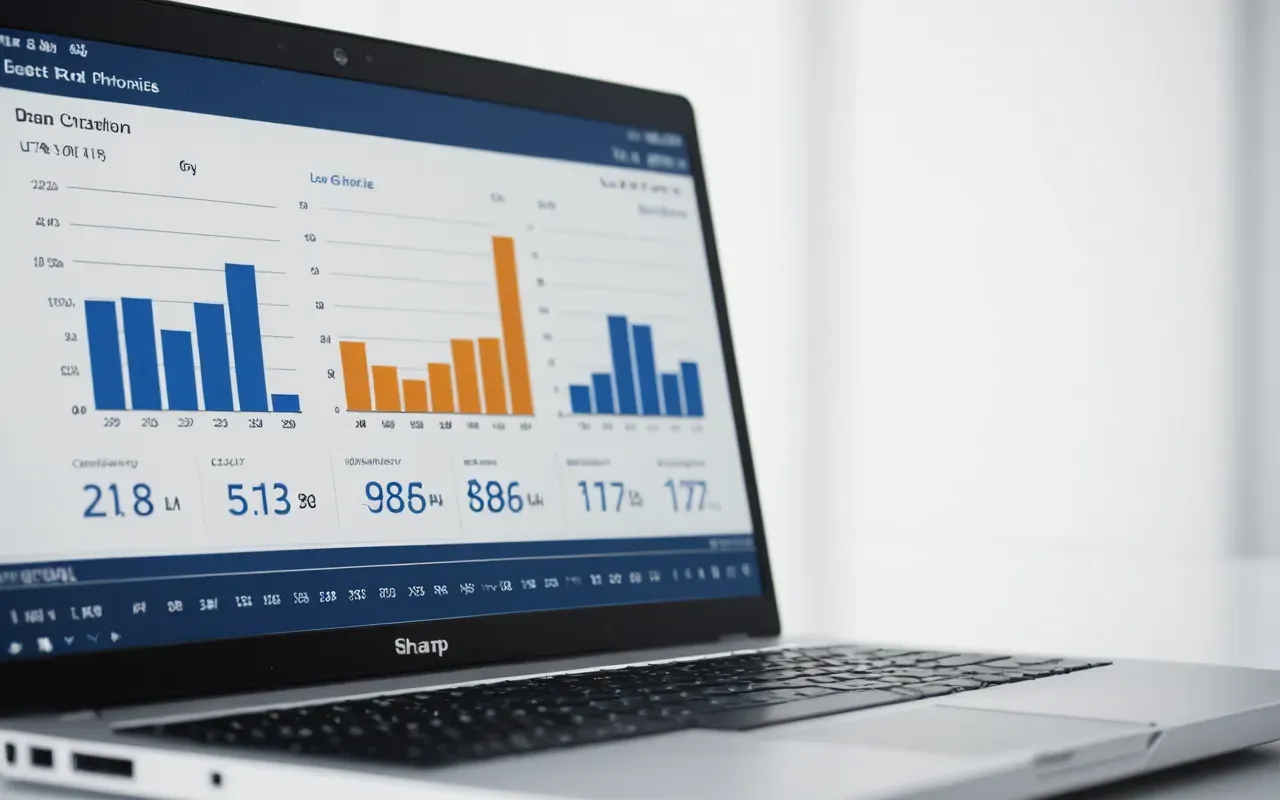
Look at this. A topic might show low search volume but massive prompt activity. That means people are asking AI for answers, not typing keywords.
How to build a dual-signal content roadmap in under an hour
You do not need a data science team. I use two simple columns in a spreadsheet to compare keyword volume and prompt volume for every topic.
For keywords, I pull data from Google Ads Keyword Planner and cross-check with Semrush or Ahrefs. For prompts, I use tools that model real AI conversation datasets.
Here is the trick. Do not get hung up on exact numbers. Look for orders of magnitude differences instead. That reveals where your attention should go.

Three buckets that dictate your content approach
First bucket is keyword-strong and prompt-weak. These topics need classic SEO pages built to rank on traditional search results.
Second bucket is prompt-strong and keyword-weak. This is where most marketers miss out. Build content that answers questions directly for AI citation.
Third bucket is strong on both. These are your flagships. Invest heavily in pages that perform well across all search and AI surfaces.
What the gap between signals actually tells you about user intent
When prompt volume dwarfs keyword volume, users are seeking explanations and recommendations. They want an answer, not a list of links.
I have seen small businesses lose traffic because they wrote thin pages for these topics. AI assistants skipped them in favor of more detailed sources.
But when we rewrote those pages with clear definitions and direct responses, citations increased dramatically within three months.
Why empty prompt cells are not what you think they mean
If the prompt column is blank, do not assume zero interest. Often, demand is bundled into broader terms that your specific keyword misses.
I once wrote off a niche topic because it showed no prompt volume. Later I found out it was rolling up under a much larger head term.
Check the broader categories before discarding any idea. This single habit has saved me from missing early opportunities twice.
How to measure success across both search and AI surfaces
Stop blending organic traffic into one number. Split your reporting to track classic search and AI-referred visits separately.
On my team, we monitor ChatGPT and Perplexity referrals independently. This shows which content earns citations versus clicks.
If a page ranks well but gets no AI mentions, it is not optimized for answer engines. Adjust the structure and phrasing accordingly.

Why this approach saves small business budgets in practice
You cannot afford to publish content that nobody asks for. By prioritizing topics with real dual-signal demand, you cut wasted effort by half.
I recently audited a small e-commerce site and found six pages with high keyword volume but zero prompt activity. They were draining resources.
We replaced them with three high-prompt topics that now drive qualified leads. The difference in ROI was immediate and measurable.
The practical steps you can take today without new tools
Start with your existing keyword list. Add a column for prompt volume using any tool that models AI conversation data.
Compare the two numbers. Flag topics where prompt volume exceeds keyword volume by ten times or more. These are your hidden opportunities.
Rewrite those pages with clear definitions and direct answers. Structure them so AI systems can extract and cite the information easily.
What this means for your competitive position in 2026
Large enterprises have teams dedicated to prompt research. Small businesses that ignore this signal are falling behind on visibility.
But here is the good news. The tools are accessible and the method is simple. You do not need a huge budget to start.
I have seen solo marketers outperform agencies by focusing on this dual-signal approach. It is about smart prioritization, not spending more.
Common mistakes that sabotage your dual-signal research
One big mistake is relying on exact numbers from prompt tools. They are directional, not precise. Use them for comparison, not absolute truth.
Another error is forcing AI optimization onto topics that only have keyword demand. That wastes time and produces content that does not rank anywhere.
Finally, do not ignore the SERP. Even for prompt-strong topics, you need to understand what traditional search rewards before building your page.
The future of SEO is already here and it looks different than expected
Search discovery is shifting from clicks to conversations. The brands that win will be those who answer questions clearly and completely.
This is not about replacing keyword research. It is about adding a second lens that reveals where demand actually lives in 2026.
Start small. Pick three topics from your list and run the dual-signal test. You will be surprised by what you find hiding in plain sight.


Comments ()