
The $ mistake that erases months of work
You spent three weeks writing your best content ever. You fixed the site speed. Then you bought a pack of ten backlinks for $.
Two months later, your traffic dropped to zero. It feels like a conspiracy, but it is usually just one bad link from a spammy network.
We see this pattern constantly in the small business SEO space. Owners want results fast, so they buy links without checking the source.
Google does not punish you for having few links. It punishes you for having fake ones from suspicious domains.
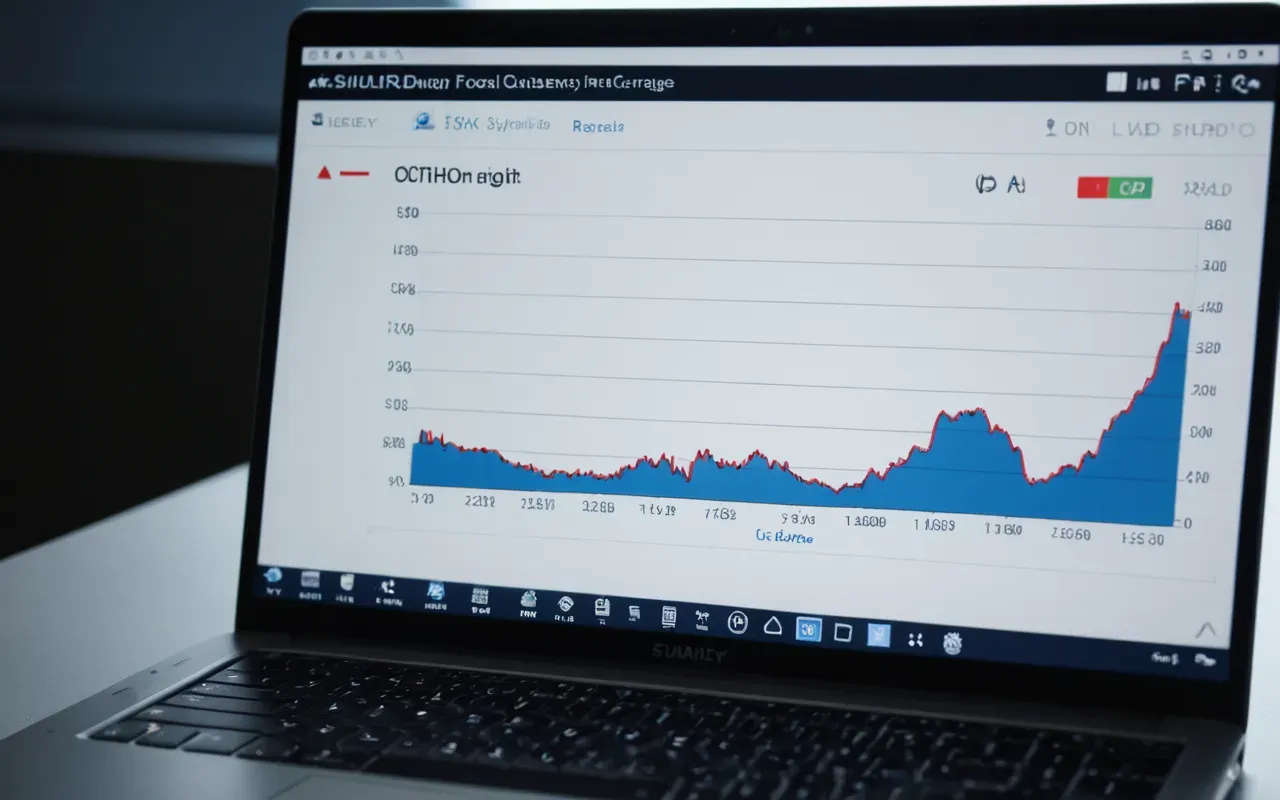
Why cheap links look dangerous to algorithms
Search engines use complex systems to detect unnatural link patterns. They look at the diversity of domains pointing to your site.
If you buy links from a service that uses automated tools, those links often come from the same IP address range.
To an algorithm, that looks like one person or group manipulating rankings. It does not matter if the content is good.
I have audited sites that had hundreds of high-quality articles but were still demoted because the link profile was toxic.
The issue is not the quantity of links. It is the quality and context in which they appear.
The three checks you must run before buying anything
First, verify the domain authority of every site that will link to you. A low-authority site cannot transfer real value.
Second, ensure each backlink comes from a completely separate domain. If ten links come from one network, they count as one weak signal.
Third, check if the link is dofollow and placed in a natural context. A link inside an article about your industry matters more than one in a footer.

Why manual creation beats automated spam every time
Automated tools generate links in seconds. They paste your URL into pre-made templates without reading the page.
Manual services write a new article specifically for your niche. The link appears because it fits the topic naturally.
This distinction is critical. Search engines reward relevance and context over mere presence of a hyperlink.
When you pay for manual work, you are paying for human judgment and editorial quality. That is the real value.
The hidden cost of low-quality link farms
Many cheap providers use sites that are already flagged by search engines. Buying a link from them adds toxicity to your profile.
You cannot easily remove these links later. The provider may disappear or ignore removal requests entirely.
We keep seeing business owners stuck with dead links from vendors who vanished after taking payment. It is a nightmare scenario.
Building authority without gambling your ranking
Safe link building is a slow process. It requires patience and strategic placement rather than bulk purchasing.
Focus on creating content that naturally attracts links from relevant industry sites. This is the most sustainable method.
If you must buy links, ensure they come from verified high-authority domains with manual editorial processes.
Look for providers who offer transparency. They should show you the exact domains and articles before you pay.
What to do if you already bought toxic links
First, audit your entire backlink profile using a reliable SEO tool. Identify any domains that look suspicious or unrelated.
Contact the webmasters of those sites politely and ask for link removal. Keep records of all communication.
If they do not respond, use the disavow tool to tell search engines to ignore those specific domains.
Recovery takes time. It can take several months for your rankings to stabilize after a penalty is lifted.
The real difference between safe and risky services
Risky services promise instant results at low prices. They often use automated scripts to place links en masse.
Safe services focus on quality and relevance. They charge more because they invest time in creating genuine content.
Always ask for samples of previous work. If a provider cannot show you real articles, walk away immediately.
Trust your gut. If the price is too good to be true, it usually is a trap for your domain authority.
Questions you should ask before signing up
Ask how many separate domains they use for each link package. The answer should be one domain per link.
Ask if the links are dofollow and embedded in fresh articles. Avoid services that only offer footer or sidebar placements.
Ask for a refund policy if your site gets penalized. Reputable providers should stand behind their work.

Why this matters more for small businesses in
Large companies have dedicated SEO teams to monitor link profiles daily. Small business owners often do this themselves.
One bad decision can wipe out months of progress for a small site. The stakes are higher when you have less authority.
Be conservative with your link building strategy. Quality always beats quantity in competitive search environments.
Protect your domain like it is a physical asset. A damaged reputation takes far longer to repair than time saved by cheap links.
Long-term thinking beats short-term hacks
Search engines reward consistency and trust. Building a strong domain authority takes time but lasts longer.
Focus on creating valuable content that naturally earns links from reputable industry sources.
This approach aligns with how search engines actually evaluate quality and relevance in today's algorithms.
Final thoughts on protecting your digital presence
Do not let the fear of missing out drive you toward risky backlink purchases. Slow and steady wins this race.
Verify every provider carefully. Check their domain list, article samples, and customer reviews before paying.
If you are unsure whether a link service is safe, consult with an independent SEO expert first.
Your website is your digital storefront. Treat it with the same care you would give a physical location.
Stay informed and make decisions based on data rather than desperation. That is how sustainable growth happens.

Comments ()