
The quiet shift that changed everything for small businesses
I still remember the day a client called me in a panic. Her website had been ranking number one for her main service keyword for three years. Then, overnight, she dropped to page four. Traffic plummeted. She was convinced Google had targeted her personally. It had not. She had simply failed to adapt to a subtle but critical change in how search engines evaluate relevance. This is the reality for thousands of small business owners right now. The old rules of thumb are no longer enough.
We often assume that ranking is about technical perfection. It is not. Ranking is about perceived value. Google wants to serve the user the best possible answer. For a small business, that means proving you are the most helpful, most relevant, and most trustworthy option in your specific niche. It is a different game than it used to be. And the businesses that win in are the ones who understand this shift.

Strategy one stop optimizing for keywords and start optimizing for intent
Here is the thing. Most small businesses still treat keyword research like a word count exercise. They look for terms with high volume and low competition. This is a trap. High volume keywords are usually dominated by enterprise brands with massive budgets. You cannot outspend them. But you can out-intent them. This means understanding exactly what the user wants to achieve when they type that query.
Take a local bakery, for example. The keyword "best bread" has high volume. But it is vague. A user searching for that might be looking for a recipe, a grocery store, or a delivery service. They are not necessarily looking for a specific local bakery. However, the query "sourdough bread delivery in my area" has lower volume. But the intent is crystal clear. The user is ready to buy. If your content matches that specific intent, you win. This is how small businesses outperform giants.
Strategy two build local relevance that search engines can actually measure
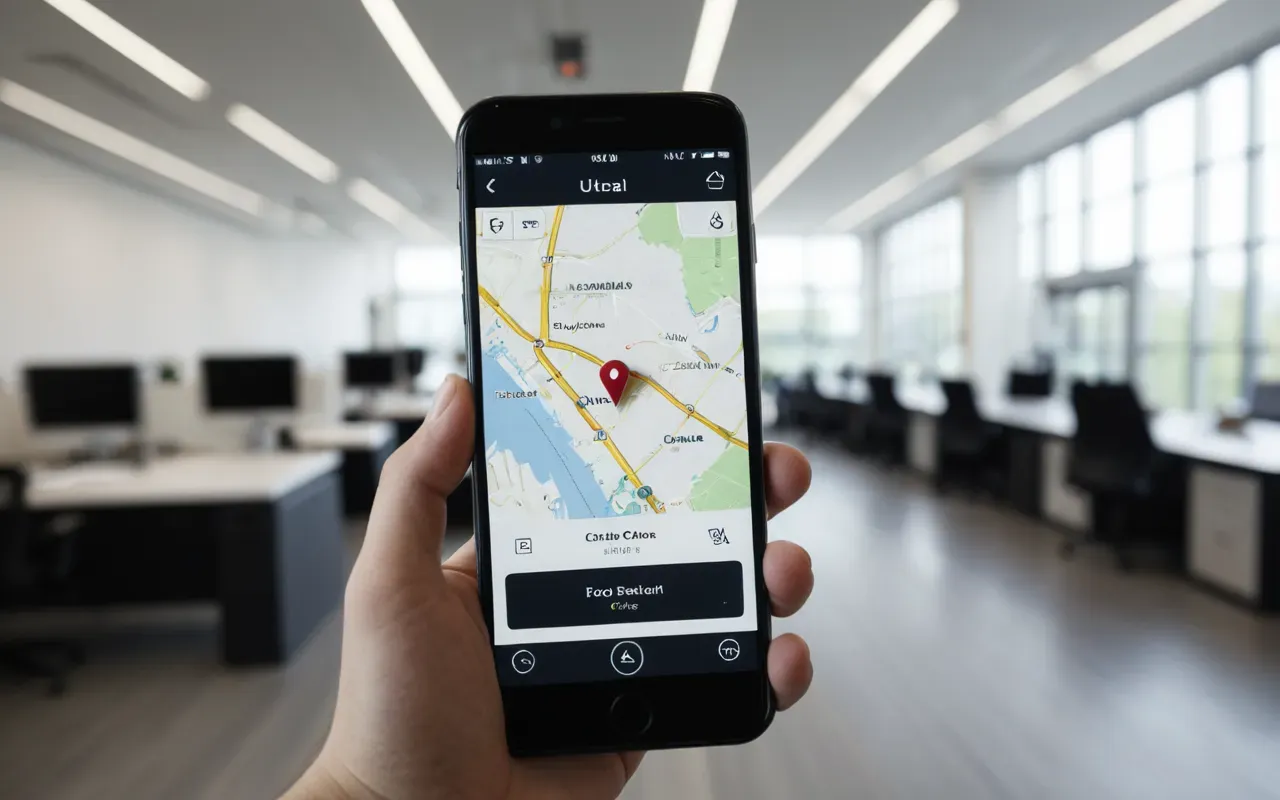
Local SEO is often misunderstood. It is not just about claiming your Google Business Profile. That is the baseline. The real power lies in creating a web of local relevance. This means your website, your social profiles, and your online mentions all need to tell a consistent story. Search engines look for signals that confirm you are a real, established entity in your specific geographic area. Inconsistency kills trust.
I have seen businesses fail because their website address did not match their social media profiles. It sounds minor. But to an algorithm, it is a red flag. It suggests a potential scam or a low-quality operation. Fix this first. Ensure your Name, Address, and Phone number are identical everywhere. Then, go a step further. Create location-specific pages. Not just "Our Services," but "Our Services in Springfield." This helps search engines understand exactly where you operate and who you serve.
Strategy three technical SEO is the foundation not the decoration
Many owners think technical SEO is for developers. It is not. It is for business owners who want their site to be fast, accessible, and easy to crawl. If your website takes four seconds to load, you are losing customers. Period. Google measures Core Web Vitals, and they matter. A slow site signals a poor user experience. And a poor user experience means lower rankings. This is not optional. It is a core part of your SEO strategy for .
How do you fix this without hiring a developer? Start with your images. Large, unoptimized images are the number one cause of slow load times. Compress them. Use modern formats like WebP. Next, check your mobile experience. Most of your traffic is likely coming from phones. If your site is hard to navigate on a small screen, you are turning people away. Test it yourself on a phone. If it takes more than two taps to find what you need, you have a problem.
Strategy four content clusters are the new backlinks
Link building is hard. Earning high-quality backlinks from reputable sites takes time and effort. But there is a way to build authority that is more in your control. It is called topical authority. This means creating a group of related pages that cover a specific topic in depth. For example, a plumber should not just have a page for "plumbing services." They should have a hub page that links to specific pages like "how to unclog a drain," "signs of a leaking pipe," and "emergency plumbing tips." This structure tells Google you are an expert on this topic.
This is more effective than chasing random backlinks. Why? Because it creates a cohesive user experience. A reader who clicks on your "how to unclog a drain" page can easily find your "emergency plumbing tips" page next. They stay on your site longer. They trust you more. And Google notices this engagement. It is a powerful signal that your content is valuable. This is how you build a resilient digital presence without relying on external validation.

Strategy five structured data is your secret weapon
This one is often overlooked. Structured data, or schema markup, is a way to help search engines understand your content better. It allows you to display rich snippets in search results. For example, if you are a restaurant, you can display your star rating, opening hours, and menu directly in the search results. This makes your listing stand out. It increases your click-through rate. And it is relatively easy to implement with the help of a plugin or a developer.
Think of structured data as a way to make your website speak the language of search engines. It removes ambiguity. It tells Google exactly what your page is about. For local businesses, this is crucial. It helps you appear in local packs, maps, and rich results. It is a low-effort, high-reward tactic. If you are not using it, you are leaving visibility on the table. This is one of the most underutilized SEO strategies for small businesses in .
Strategy six user experience is the new ranking factor
Google has made it clear. User experience matters. They want to serve results that people enjoy using. This means more than just fast load times. It means intuitive navigation, clear calls to action, and accessible design. If a user lands on your page and cannot find what they need in five seconds, they leave. This is called a bounce. High bounce rates signal to Google that your page is not useful. And that hurts your rankings.
How do you improve user experience? Start with your content structure. Use clear headings. Break up long paragraphs. Use bullet points. Make it easy to scan. Then, test your calls to action. Are they clear? Are they prominent? Do they lead to a logical next step? For example, if a user reads a blog post about "how to fix a leaky faucet," the call to action should be "Book a plumber," not "Sign up for our newsletter." Align your actions with the user's intent. This is how you keep people engaged and satisfied.

Strategy seven social proof is not optional it is essential
People trust other people. That's just how we're wired. And in the digital world, social proof is your best friend. Testimonials, reviews, case studies, user-generated content — all of it counts as social proof. It tells potential customers you're real, reliable, and recommended by others. For small businesses, this matters even more. You don't have a massive brand name to lean on. You have to earn trust through the voices of your happy customers.
So don't be shy about it. Ask your happy customers for reviews. Feature them prominently on your website. Use them in your marketing materials. But be careful. Fake reviews are a black hat tactic that will get you penalized. Only use genuine, verifiable testimonials. The authenticity is what matters. One heartfelt review from a real customer beats ten generic ones. That's how you build a reputation that stands out in a crowded market.
Strategy eight email marketing is still the best ROI channel
SEO is about attracting new visitors. Email marketing is about retaining them. And retention is where the real money is. Selling to an existing customer is far easier than acquiring a new one. Which is why email marketing remains one of the most effective channels for small businesses. You can send targeted messages to your subscribers, offer exclusive deals, keep your brand top of mind. It's a direct line to your audience. And it's not subject to algorithm changes.
How do you use email to boost your SEO? By encouraging engagement. Ask your subscribers to share your content. Ask them to leave a review. Ask them to refer a friend. These actions generate signals that search engines love. Social shares, reviews, referrals — they all contribute to your authority. So use your email list not just for sales, but for building your online presence. Simple strategy, powerful results. And many small businesses overlook it.
Strategy nine consistency beats intensity every time
This is the final and perhaps most important strategy. SEO is not a sprint. It's a marathon. You won't see results overnight. It takes time. It takes effort. And it takes consistency. Plenty of small businesses go all out for a month and then give up. That's a recipe for failure. Instead, focus on steady, incremental progress. Update your content regularly. Monitor your analytics. Make small improvements. Over time, those small actions compound into significant results.
Think of it like gardening. You don't plant a seed and expect a harvest the next day. You water it. You feed it. You protect it. And over time, it grows. SEO works the same way. It requires patience and persistence. But the reward is worth it. A strong, consistent SEO strategy will outperform any quick fix. It builds a foundation that's resilient to algorithm changes. And it drives sustainable growth for your business. That's the path to long-term success.

Frequently Asked Questions
How long does it take for SEO strategies to show results
SEO typically takes three to six months to show significant results. This timeline varies based on your industry competition and current site authority. Consistent effort and high-quality content are key factors in accelerating this process.
What is the difference between local SEO and national SEO
Local SEO focuses on attracting customers from a specific geographic area, while national SEO targets a broader, country-wide audience. Local strategies emphasize geographic keywords and business profiles, whereas national strategies focus on brand authority and broad content topics.
Can small businesses compete with large brands in SEO
Yes, small businesses can compete with large brands by focusing on niche topics, local relevance, and superior user experience. They don't need a bigger budget; they need a sharper, more targeted strategy that addresses specific user needs and builds trust within their community.


Comments ()