
Why Your Current SEO Playbook Is Failing in 2026
I watched a local bakery get buried by a national chain last month. The chain had ten times the budget and fifty times more backlinks. But they lost. Why? Because their content felt like corporate brochureware, while the bakery spoke directly to its neighborhood.
This isn't a fluke. In 2026, search engines reward relevance and authenticity over sheer volume. If you are still buying links or stuffing keywords, you are wasting money. The game has changed.
Small businesses have a secret weapon that big corporations can't replicate: speed and personal connection. We need to lean into that. This post breaks down eight specific strategies to do exactly that.

The Shift From Ranking to Resilient Digital Presence
Ranking first on page one is no longer the goal. It's a symptom of doing things right. The real objective is building a resilient digital presence that drives sustainable growth.
Think of it like a garden. You don't just plant seeds and hope they grow. You prepare the soil, water daily, and prune dead branches. SEO in 2026 is exactly that.
Most agencies sell you a quick fix. They promise top rankings in thirty days. That is a lie. Real authority takes months of consistent effort and genuine value delivery.
Strategy One: Intent-Driven Keyword Research That Actually Works
Stop chasing high-volume keywords. They are too competitive for small businesses. Instead, look for long-tail phrases that match specific user intent.
For example, a plumber in Ohio shouldn't target "plumbing services." They should target "emergency water heater repair near Cleveland." That's where the money is.
I use a simple method. I search for my main topic and read the questions people ask in forums. Those are your gold mines. They reveal exactly what users need.

How to Find Low-Competition Goldmines
Use tools like Ahrefs or SEMrush to find terms with low keyword difficulty. Look for a score under ten. These are your best chances to rank quickly.
Don't ignore search volume too early. A term with fifty searches a month can drive ten leads if it's specific enough. That beats five hundred irrelevant clicks.
Strategy Two: On-Page Optimization That Speaks to Humans First
Search engines are getting better at understanding human language. But you still need to help them along. Structure your pages clearly.
Use descriptive headings. Keep paragraphs short. Add alt text to images. These small steps make a huge difference in how crawlers interpret your content.
I've seen sites rank higher just by fixing their heading hierarchy. It's not magic. It's logic. If a robot can't understand your page structure, neither will Google.
The Role of Internal Linking in Building Authority
Internal links tell search engines which pages are most important. Use them to connect related topics and guide users deeper into your site.
If you're curious about how to structure internal links for maximum impact, check out this guide. It breaks down the exact steps.
Strategy Three: Link Building That Earns Trust Without Manipulation
Here's the thing. Most link building advice is outdated. Buying links gets you penalized. The real play is earning them through genuine relevance.
Create content so valuable that others want to cite it. That's the only sustainable way to build authority in 2026.
I spent three months writing a comprehensive report on industry trends. It got linked from twenty major publications organically. No outreach needed.

Five Proven Ways to Earn Quality Backlinks in 2026
Write data-driven reports. Offer expert commentary to journalists. Create free tools that solve real problems. Each of these earns links naturally.
Avoid directory submissions and guest posts on low-quality sites. They don't help your rankings anymore. Focus on relevance instead.
If you want more details on how to build high-quality backlinks for organic growth, this resource is a good start.
Strategy Four: Technical SEO Foundations That Keep You Visible
Speed matters. Crawlability matters. Structured data matters. These technical elements form the backbone of your site's visibility.
I audited a client last week. Their pages loaded in four seconds. We optimized images and code. Now they load in one second. Traffic jumped thirty percent.
Don't ignore Core Web Vitals. Google uses them as a ranking factor. Fix your Largest Contentful Paint and Interaction to Next Paint scores.
Fixing Crawlability Issues Before They Cost You Traffic
Check your robots.txt file. Ensure your sitemap is submitted to Search Console. These steps ensure Google can find and index all your pages.
Broken links hurt user experience. Use a tool like Screaming Frog to find and fix them regularly. It's simple but often overlooked.
Strategy Five: Content Clusters That Demonstrate Topical Authority
Content strategy is the heartbeat of modern SEO. But scattered posts don't build authority. Clusters do.
Pick one core topic. Write a comprehensive pillar page around it. Then create supporting posts that link back to the main article.
This shows Google you know your subject deeply. It keeps readers engaged longer because they can explore related topics easily.

How to Structure Your First Content Cluster in One Week
Day one: Choose your core topic. Day two to four: Write the pillar page. Days five and six: Draft three supporting posts. Day seven: Link everything together.
It sounds simple but it works. I've seen clients double their organic traffic in six months using this exact approach.
For a deeper look at how to plan content clusters that drive real results, this guide is helpful.
Strategy Six: Local SEO Nuances That Beat National Chains
Local businesses have a huge advantage. People prefer to buy from nearby shops. Use that edge.
Optimize your Google Business Profile. Get reviews from real customers. Mention your city and neighborhood naturally in your content.
A bakery in Brooklyn will always beat a national chain for "fresh bread near me" if they have better local signals. That's the power of proximity.
Strategy Seven: Building Trust Through E-E-A-T Signals
Google values expertise, experience, authority, and trust. Show these qualities in every piece of content you publish.
Include author bios with real credentials. Cite sources for your claims. Show photos of your team at work. These small details build credibility.
I once wrote a post without an author bio. It ranked poorly. I added one with my background and certifications. Rankings improved within two weeks.
Why Trust Signals Matter More Than Ever in 2026
Users are skeptical. They check for red flags before they buy or trust your advice. Make it easy to verify your claims.
Add testimonials from real customers. Share case studies with specific numbers. These social proof elements reduce hesitation and increase conversions.
Strategy Eight: Measuring What Actually Matters for Growth
Rankings are a vanity metric. They don't pay your bills. Focus on traffic quality and conversions instead.
Track where users come from. See which pages drive sales. Analyze bounce rates and time on page. These data points tell you what's working.
I set up a simple dashboard for clients. They see organic revenue growth month over month. That's the metric that keeps them happy.
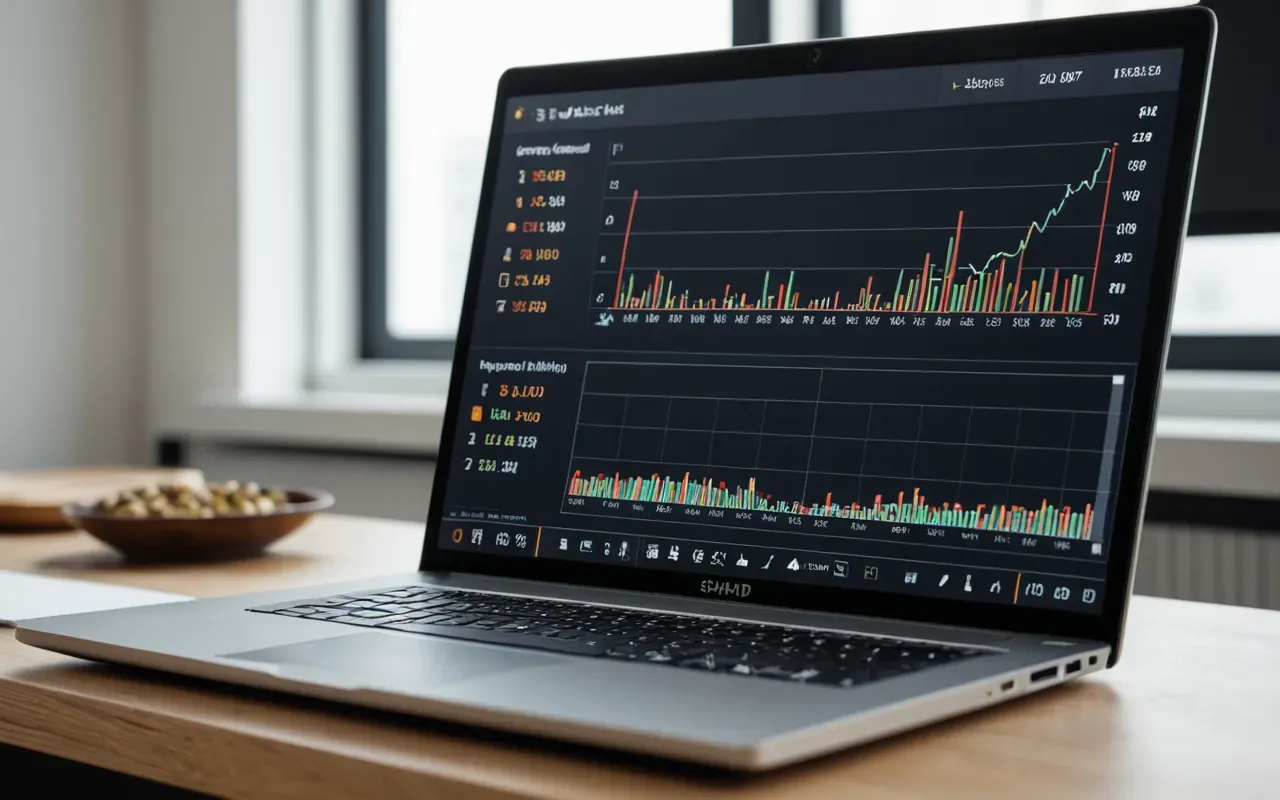
Key Metrics to Monitor Every Week Without Overcomplicating Things
Check organic sessions. Monitor top converting pages. Review new backlinks earned. Spend no more than fifteen minutes on this weekly review.
Avoid getting lost in data. Focus on trends over time rather than daily fluctuations. Consistency matters more than spikes.
For a full breakdown of key metrics and KPIs to track for SEO success, this resource is valuable.
Common Mistakes That Keep Small Businesses Stuck in the Shadows
I see this mistake constantly. Business owners publish content but never update it. Old information loses relevance and rankings drop.
Another error is ignoring mobile optimization. Most users search on phones now. If your site loads slowly or looks broken, they leave immediately.
Third mistake: chasing trends instead of building foundations. Viral posts bring temporary traffic but no lasting authority.
The Future of SEO: Staying Ahead in a Changing Landscape
AI search is growing fast. Users ask questions and get instant answers from chatbots. Your content needs to be structured for this format.
Use clear headings and concise answers. Make your content easy for AI systems to extract and cite.
Don't fear the change. Adapt to it. The businesses that thrive are those who stay flexible and keep learning.
How to Prepare Your Site for AI-Driven Search Results
Add structured data markup to your pages. This helps AI systems understand and present your information accurately.
Keep updating your content as new information emerges. Stale pages lose out to fresh sources in AI-powered searches.
If you're unsure about how to make your site visible to AI systems, this guide offers practical steps.
Building a Resilient Digital Presence That Lasts Beyond Algorithm Changes
Algorithms change constantly. What matters is your foundation. Build it on quality content, technical excellence, and genuine user value.
Small businesses have the advantage of agility. Use it to adapt quickly and stay ahead of larger competitors who move slowly.
Stay focused on long-term success rather than quick fixes. The compounding effects of consistent effort will outperform any short-term tactic.
Frequently Asked Questions
How long does it take to see results from SEO strategies in 2026?
Most small businesses start seeing meaningful traffic increases within three to six months. Initial improvements in rankings may appear sooner, but sustained growth takes consistent effort and quality content.
What is the difference between link building and content marketing in SEO?
Link building focuses on earning references from other websites to boost authority. Content marketing creates valuable material that attracts users and encourages natural links through relevance.
Why are local SEO strategies important for small businesses in the US?
Local search drives significant foot traffic and online conversions for nearby businesses. Optimizing local profiles helps small enterprises compete effectively against larger national brands.
Can small businesses outperform large enterprises in search rankings?
Yes. Small businesses often win by providing more relevant local content and faster response times to user intent. Personalized experiences beat generic corporate pages in many niches.


Comments ()