
Local SEO Strategy: Dominating Map Pack and Local Search Results
I remember watching a client spend four months writing blog posts. They were brilliant pieces. Yet the traffic graph stayed flat at zero.
We ran a simple diagnostic later that week. The site had over four thousand soft errors. Search bots couldn't even read the homepage.
This happens to more small businesses than you think. You are building a beautiful shop, but the street entrance is locked.
Technical SEO isn't about code for its own sake. It's the physical infrastructure that lets search engines see your value proposition clearly.
If you skip these basics, no amount of keyword research will save you. The bots simply can't get in.
Why Speed Matters More Than Perfect Copy
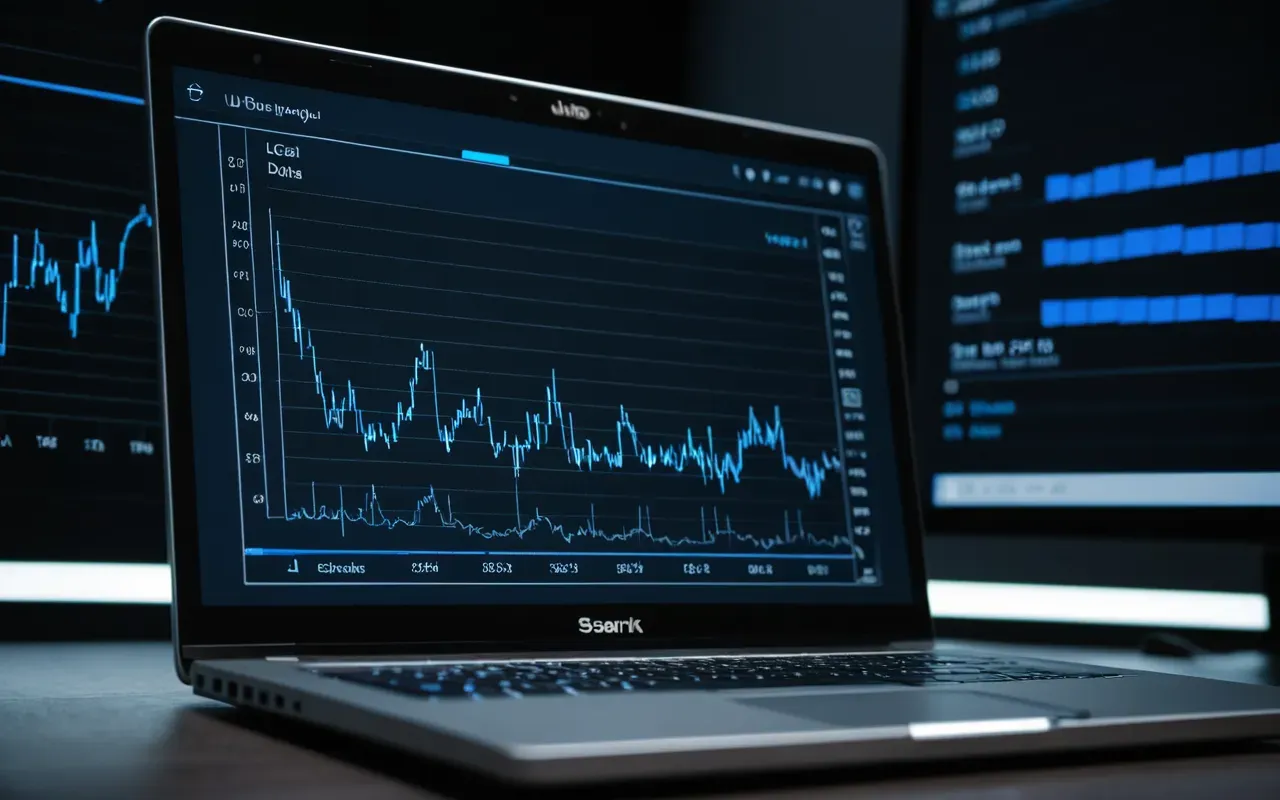
Google's core web vitals are not just vanity metrics. They directly impact your ranking.
A study from early 2026 showed that users abandon pages taking longer than three seconds to load. That is real money leaving your table.
I've audited sites where the hero image was twelve megabytes. On a mobile network in a rural area, that loads for ten seconds.
Your competitor with a faster site wins the click. Even if their content is slightly worse.
Compress your images before upload. Use modern formats like WebP if supported. It's a five-minute fix with huge returns.
Crawlability Is Not Optional
Many site builders add hidden menus that trap bots. This creates a maze of dead ends.
Check your robots.txt file manually. If it disallows the entire site by mistake, you are invisible.
We found one small bakery whose XML sitemap was missing all product pages. They had no idea for six months.

Structured Data Is Your Secret Weapon
Rich snippets make your result stand out in the blue screen of death.
Adding local business schema tells Google exactly what you sell and where. This boosts trust instantly.
If you run a service business, include opening hours and price ranges. Users love clarity.
How to Add Schema Safely
Use the Google Structured Data Markup Helper if you are not a developer. It guides you step by step.
Validate your code after adding it. Errors here can hurt more than they help.
Mobile First Is the Only Choice
Over seventy percent of searches now happen on phones. Your desktop site is no longer the primary experience.
Test your tap targets. If buttons are too close together, users get frustrated and leave.
Ensure your navigation folds neatly. Hiding important pages behind endless scrolling is a UX disaster.
The Indexation Gap Most Owners Miss
You think your site is live because you can see it. But Google might not.
Use the site: command in search boxes to check what is actually indexed. Compare it with your sitemap.
If pages are missing, submit the sitemap again in Search Console. Wait a few days and check.
This gap is the most common silent killer of small business visibility. Fix it first.
Security Signals That Boost Trust
HTTPS is now a baseline requirement. If your site shows an insecure warning, users bounce immediately.
Search engines prioritize secure sites. This is a small but consistent ranking boost.
Check for mixed content warnings. These happen when images load over HTTP while the page is HTTPS.

Practical Steps to Start Today
You do not need a huge budget for these fixes. Most are free or low-cost.
Start with a crawl audit using tools like Screaming Frog. Export the report and look for red flags.
Fix broken links first. They damage your site's internal structure and user experience.
Then check image alt tags. They help visually impaired users and give context to bots.
Building a Sustainable Foundation
Technical health is the soil your content grows in. Without it, nothing takes root.
Revisit these checks every quarter as your site evolves. Small issues compound quickly.
If you want to explore how these fixes connect with broader organic growth, see this guide on improving visibility. It covers the same ground from a slightly different angle.
Frequently Asked Questions
What is the biggest mistake small businesses make with technical SEO?
Ignoring crawlability issues is the most common error. Many sites have blocked pages or broken links that prevent bots from reading content properly.
How long does it take to see results after fixing technical issues?
You should notice improved crawl frequency within two to four weeks. Ranking improvements often follow in one to three months as Google re-evaluates the site.
Can I do technical SEO myself without coding knowledge?
Yes. Many fixes are available through website builders or plugins. Use free tools like Google Search Console to identify issues and follow simple step-by-step guides.
Why does my site load slowly even with a fast internet connection?
For the full overview, see search engine optimization basics.


Comments ()